


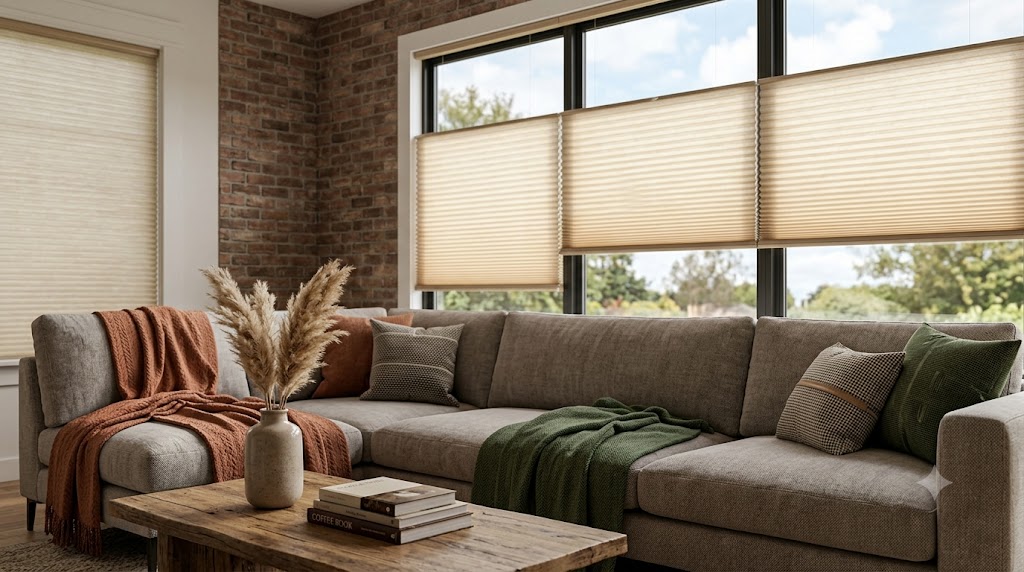
Modern Living Room Blind Ideas, Style, Function & the Perfect Fit for Your Home
Your living room is kind of the heart of your home, the place where you chill after a long day, greet visitors, and make those little memories with the family. but honestly, one of the most change-the-whole-feeling elements in any living room is also the one people forget the most: the window treatment. The right blinds can really nudge the mood of the room, handle natural light in a smooth way, bring you privacy without making the space feel shut in, and yes even help with thermal efficiency more than you might expect.
At JJ All Blinds , we’ve spent more than a decade helping homeowners around the local area find the right blinds for every room in the house. when you’re searching for modern living room blind ideas, it feels like the choices keep getting better and more fun. from clean roller blinds to polished shutters, contemporary window dressing has moved way past the old basics, it’s more about style now as much as function.
In this full guide, we’ll take you through the most popular and good-looking blind types for living rooms, explain how to pick the right look for your interior, and share practical tips for managing light, layering window coverings, and getting the best out of your windows all supported by real know how, and a strong love for great design.
Why Choosing the Right Living Room Blinds Matters
Living rooms come in all sort of shapes sizes and styles. A Victorian terrace in Cardiff has totally different needs from a modern open-plan flat or a countryside cottage. But one thing they all kind of share is the requirement for blinds that somehow balance aesthetics, light management ,and privacy.
Unlike bedrooms or bathrooms, living rooms are multi purpose. You might want soft diffused light in the daytime for reading or maybe even watching television, then later, full privacy in the evenings. And yes, you might also want to show off a beautiful view while still keeping glare under control. This level of complexity is exactly why choosing the right blinds feels like such a big decision.
Bad window treatment choices can make a space feel smaller ,more dim, or honestly just unfinished. The right option though, frames your windows nicely, lifts your current decor, and really changes how you use and enjoy the room day to day.
Top Modern Living Room Blind Ideas to Transform Your Space
1. Roller Blinds, Clean Lines for Contemporary Living Rooms
Roller blinds kind of stay one of the most popular choices for modern living rooms, and honestly for good reasons. The clean, minimal vibe makes them really versatile, like they just slide neatly into almost any interior scheme from Scandi-ish neutrals to bold maximalist spaces.
Why Roller Blinds kind of work in living rooms
Roller blinds sit flat against the window when they’re lowered, so they take up minimal space and somehow let the window architecture do most of the talking. When they’re raised, they’re basically invisible too, which is a bit of a plus if you have lovely window frames or you just want that feeling of openness to stay strong.
Modern roller blinds come in a massive set of fabrics from sheer voiles that sift light softly to blockout materials that really shut things down, privacy wise and light wise. In a living room, a mid-range light-filtering fabric is often the sweet spot, because it gives you that warm, diffused glow without needing to pull the blinds fully closed during the day.
Patterns and Textures
Those plain beige roller blinds are mostly out of the picture now. Today you can find geometric prints botanical motifs, linen textures, and even custom photographic prints, so it feels less like boring function, more like a real design moment.
For a calmer overall look , try picking a roller blind fabric that echoes a colour or pattern you already have in your soft furnishings , like cushions , rugs, or throws.
2. Vertical Blinds, A Versatile Classic Reinvented
Vertical blinds used to be kinda stuck in offices, and other commercial spaces, you know with that old look people remember, the tired plastic sort. But now the modern versions are, honestly, a whole different world. The newer vertical blinds for living rooms are made with lovely fabrics, proper textures, and a bunch of opacity choices so they actually fit into stylish homes, instead of just “doing the job”.
They Are Brilliant for Big Windows and Patio Doors
One of the main plus points is how easily vertical blinds handle large areas of glass. Think floor-to-ceiling windows, bifold door openings , and patio doors too, they’re all very much a match. The slats glide over to one side, and by rotating each slat you can fine-tune the light in a way that feels controlled, not awkward.
Fresh Material Choices for Vertical Blinds
Nowadays you can get vertical blinds in soft fabric, faux wood , aluminium, and even S-curve styles. The S-curve version hangs with this graceful drape, rather than that stiff, flat blind feel. It’s kind of the one that looks most like a curtain, but you still keep the practical benefits of a blind, which is sort of the best of both worlds.
In modern living rooms, fabric vertical blinds in muted shades like stone, taupe, slate grey, or warm white look especially good, mainly when they sit against light walls or neutral backgrounds, it just blends nicely.
3. Wooden Blinds, Warmth and Natural Elegance
There’s something kinda timeless about real wood, you know. Wooden Venetian blinds have stayed a perennial favorite in living rooms for ages, mostly because they sort of bridge the gap between classic and contemporary design so smoothly, or at least in a way that feels natural. They bring warmth, natural texture, and this little sense of quality that synthetic alternatives just can’t quite mimic.
Best Interior Styles for Wooden Blinds
Wooden blinds work especially well in, or around:
- Scandi or nordic inspired interiors, with pale floors and natural materials it feels a little calmer somehow
- Traditional or heritage homes where the natural tones blend nicely with period features, no loud contrast
- Mid century modern living rooms, warm wood tones keep matching the furniture as well as the flooring gives that cozy rhythm
- Rustic or farmhouse style rooms where organic materials set the tone, like everything stays grounded and a bit homelyThe ability to tilt the slats gives excellent control over light and privacy you can allow ambient light to filter through without exposing your interior to the street below.
4. Faux Wood Blinds, All the Look, None of the Limitations
If you’re into the look and vibe of wooden blinds but you want something that feels more durable and a lot more cost-effective, faux wood blinds are a pretty solid modern option. They’re usually made from PVC or a composite blend, and they’re built to mirror the appearance of actual wood, but with better resistance to moisture, warping, and fading too.
For hectic family living rooms, or places where the air is kinda humid, faux wood blinds give you the best mix of things that natural, cozy “wood” feel, plus practical toughness that real wood just can’t quite keep up with. They’re also most often cheaper, so it’s a smart fit when you’re dressing several windows across one big room, without overspending.
5. Roman Blinds, Soft, Luxurious, and Effortlessly Stylish
Roman blinds take up this kinda fascinating middle ground between blinds and curtains, like sort of in between worlds. When they’re lowered they hang flat, or sometimes in soft horizontal foldings depending on which style you pick, yeah. Then when you raise them, they bunch up and stack pretty neatly, forming elegant pleats across the top of the window.
Why Roman blinds are perfect for living rooms
There is something about the fabric softness of Roman blinds that brings a warmth and cosiness to living rooms that harder materials just can’t match. They naturally suit relaxed, lived-in spaces and they can look really amazing with bold patterns, rich textures, or even that luxe vibe from velvet and linen.
If you want a more contemporary feel, go for a Roman blind in a statement fabric like a big geometric print, a striking botanical pattern, or a deep saturated shade, then keep the furniture simple. That way the window treatment, becomes the focal point, without everything fighting for attention.
Flat Roman vs Soft Fold Roman
You’ll mainly see two Roman blind styles. Flat Romans, have a cleaner, more tailored look. Soft fold Romans gather into gentle horizontal pleats when they are raised, which gives a slightly more laid back feel. Flat Romans suit modern minimalist interiors, while soft fold versions tend to feel more relaxed and traditional.
6. Blackout Blinds, Because Sometimes You Need Total Darkness
Blackout blinds are usually linked with bedrooms, but they also have a proper little spot in the modern living room yeah especially in places where the afternoon sun throws glare right onto the television screen, or when you want that evening cinema sort of vibe to stay put.
Blackout Roller Blinds for Living Rooms
A pretty common go-to for a living room blackout setup is a roller blind fitted with a blackout rated fabric. You can make these look genuinely good in a bunch of colours and even with quiet surface texture, so you don’t have to give up the whole “how it looks” side just for performance. Blockout roller blinds are also great for boosting thermal efficiency, which basically means the space stays cooler in summer and less chilly in winter.
Pairing Blackout Blinds with Curtains
In contemporary living rooms, lots of people choose to place a blockout roller blind first as the main window treatment, so you get full light exclusion when you actually need it. Then you layer decorative curtains on either side of the window, for a more familiar, dressed and polished look. This pairing gives you maximum flexibility, plus multiple visual layers that feel intentional rather than flat.
7. Panel Blinds, Sleek and Modern for Large Windows
Panel blinds are kind of one of the more architecturally modern window treatment options you can get. Instead of the usual slats, or that rolled fabric thing, they have these large, flat panels of fabric that slide along a track system which is, in principle, similar to sliding doors.
They really work well in open-plan living spaces, especially when there are big contemporary windows. You get this bold graphic look, that leans into clean lines and an uncluttered design vibe. And honestly, they’re also great as room dividers in open-plan setups, because they give you this flexible aesthetic way to divide up different zones across a larger living room, without it feeling too heavy or rigid.
8. Plantation Shutters, The Premium Living Room Statement
No guide to modern living room blind ideas would be quite done without touching on plantation shutters. These solid, louvred panels are fixed straight to the window frame, and honestly they sit at the premium end of the window treatment market in looks and also in how long they last.
Why homeowners tend to love plantation shutters
Plantation shutters bring that level of quality and kind of permanence that blinds and curtains, just can’t quite match. They add real architectural character to a space, they play nicely with almost any interior look, and they can even raise a property’s perceived value. A lot of people treat them like a one-time upgrade, the sort of thing that reshapes the appearance of every room they are installed in.
Modern Living Room Blind Trends for 2026 and Beyond
Neutral and Earthy Tones
Honestly the dominant trend in living room interiors is kind of a move toward warm, earthy neutrals, like terracotta, warm grey, sandy beige, olive green and off white. You can see how these shades translate really well into blind fabrics and shutters, and the whole thing ends up feeling cohesive, organic, sort of. It works especially nicely with natural materials like rattan, jute, and linen too.
Also, try to avoid stark whites, instead go for soft whites and warm off-whites. They feel way more liveable and less clinical, especially when you’re thinking about the living room context.
Layered Window Treatments
One of the biggest contempoary trends in interior design is layering window treatments, i guess. Usually it means you combine a functional blind, like a roller or Roman or even a sheer, with more decorative curtains or drapes that sort of frame the window. The end result is a richer, more considered look, it adds depth and texture to the whole room, honestly.
The thing for getting the layering right is contrast, not just matching stuff. Pair a sleek minimal blind with a textured patterned curtain or swap it around and do the reverse, either way it works. That mix creates visual interest, without that cluttered vibe.
Motorised and Smart Blinds
In the past few years, technology kind of changed the whole blind sector. Motorised blinds, which you can control by remote, smartphone app, or even through a smart home set up, are now getting more affordable and they feel pretty popular in living rooms. Being able to raise or lower blinds with a voice command, or just a tap on your phone is honestly convenient, especially when it comes to large windows, or those that are kinda awkwardly positioned.
And yes, smart blinds are more than just “remote controlled” these days. They can be programmed to react to light levels, time of day, or even weather conditions , so they automatically drop when direct sunlight comes in, and then lift again later in the evening. In homes that already use smart home ecosystems, this sort of automation seems like a natural, and very appealing upgrade.
Sustainable and Natural Materials
Environmental awareness is kinda shaping what consumers pick across all parts of interior design, and window treatments are no exception i mean not really. Blinds made from natural materials bamboo, woven grasses, and wood pulled from sustainable sources are getting more and more popular, they bring this organic texture plus warmth that synthetic stuff just can’t really mimic.
These natural material blinds work especially well in living rooms with an eco conscious, biophilic vibe like when the space is filled with plants, natural light and those organic textures throughout. It all sort of flows together, you know.
How to Choose the Right Blind for Your Living Room
Match Your Blind Style to Your Interior Design
The most important principle when picking living room blinds is kind of the coherence, with what you already have inside. Like, if your living room is sleek and minimalist then go for simple roller or panel blinds in muted tones. If the space feels warm and traditional then wooden Venetians, or Roman blinds in rich fabrics will fit better. For a more contemporary open plan room, vertical blinds or shutters can actually do a lot for it.
Also take signals from the rest of the room, furniture style, flooring material, wall colour and the soft furnishings that are already there. Choose a blind that complements and enhances everything, instead of competing or just clashing in a weird way.
Consider Light and Privacy Requirements Together
Think about when, really, you use your living room most, and notice how the brightness shifts through the day. If the room is south or west-facing you can get a pretty intense afternoon sun, which brings glare and extra heat gain. So that is a solid reason to use light-filtering or blockout blinds , even if you do not notice it at first. On the other hand a north-facing space might be happier with sheer types or light-coloured blinds that sort of “make the best” of whatever daylight it can grab.
And then theres privacy, which is just as important, especially in ground floor rooms, or if your place sits near busy roads or nearby windows. The right blind should let you manage visibility from outside, without you guessing all the time. In practice, this usually means picking a blind with a broad set of opacity options, not one very extreme setting or another.
Don’t Underestimate the Importance of Professional Measuring
One of the most common mistakes homeowners make when buying blinds is trying to measure their own windows without any professional kind of guidance. Even tiny errors, like a centimetre out of place can end up with blinds that don’t hang in a proper way, don’t cover the whole window, or just can’t be installed correctly at all.
At JJ All Blinds, our free measuring service removes this risk completely. Our experienced team will pop by your home, take accurate dimensions, and then recommend the most suitable fitting choices for each window whether that’s a recess fit, a face fix, or even a blend of both. This kind of practical approach is one of the big reasons our customers keep coming back again and again.
Living Room Blind Ideas by Interior Style
Modern Minimalist Living Rooms
For minimalist interiors, the whole thing is basically clean lines, calm colors, and surfaces that feel not too crowded. Roller blinds or panel blinds in plain , textured fabric end up being the sweet spot. Try to skip patterns, and go for tonal shades that kind of disappear with the walls warm greys, natural whites, or softer greiges. The point is that these blinds should quietly support the feeling of roominess, not pull focus on themselves.
Traditional and Classic Living Rooms
Traditional living rooms with period features, like cornicing, fireplaces, sash windows… they sort of ask for window treatments with warmth and substance, you know. Roman blinds in richer fabrics such as linen, silk effect, or velvet tend to work beautifully, and so do genuine wooden Venetian blinds too. Plantation shutters are also a superb option for traditional homes, they blend nicely with the period architecture while bringing that timeless, quality feel.
Scandi and Hygge-Inspired Living Rooms
The Scandinavian interior trend, sort of characterised by light, natural materials warmth and simplicity, goes really well with natural material blinds. Bamboo blinds, woven grass blinds and wooden Venetians, they all kind of echo that organic look. Try to keep the colors pale and warm, and skip anything heavy or too over structured for the windows, because it can clash with that relaxed airy Scandi vibe, a bit.
Industrial and Urban Living Rooms
Industrial spaces, with exposed brick, steel, concrete, and those dark, brooding accents, tend to look better when the window coverings kinda match that raw stripped-out vibe. Think roller blinds in deep moody shades, or aluminium Venetian blinds if you want that crisp, slatted rhythm. Honestly, even plain metal shutters can fit right in. The whole point is not to go too soft or too overly pretty keep it functional, keep the lines clean, and let the simplicity do the talking, like it’s the main character.
Getting the Most from Your Living Room Windows with JJ All Blinds
Over 10 Years of Local Expertise
JJ All Blinds was built on a sort of genuine expertise ,and also a real passion for great design. Over the last 10+ years, while helping homeowners around the local area pick out the perfect blinds for their homes, we’ve also picked up a really solid sense of what works best not just how it looks, but how it behaves day to day, and even the technical bits too.
So whether you want something straight-forward and useful ,or you’re after a more bespoke, premium kind of answer, our crew brings the same care ,and attention to detail, to every single job. We genuinely take pride in the work we deliver you can see it in the customer relationships we’ve built over the years, with people who are genuinely satisfied.
Free Measuring and Quotation Service
Buying blinds can feel like a big deal, so we try to keep things smooth and as risk free as we can, which sometimes sounds a bit obvious but honestly it helps. With our complimentary measuring service, a member of our experienced team will pop by your home, take precise measurements of your windows, and then share solid guidance about the best blind options for each room or space.
In most cases this is wrapped up within a week, so you are not stuck just waiting around to move forward. After we have your measurements and what you actually need, we will send a complete, no obligation quote, covering the materials fitting and any extra points you might need for your particular windows.
A Range That Covers Every Style and Budget
Our product range covers pretty much every big blind style vertical blinds, roller blinds, wooden Venetians, faux wood blinds, Roman blinds, blockout versions, and plantation shutters. Whether you’re installing just one window, or doing up an entire place, we’ve got the products, the know-how, and the careful making to get you results you’ll genuinely enjoy for years to come.
We reckon there’s a match for every home in our range it’s kinda our thing to hunt out that right fit, and not just any old option.
Ready to Transform Your Living Room?
If you’re inspired by these modern living room blind ideas and ready to take the next step, JJ All Blinds is here to help. From your first enquiry to the final installation, we do everything possible, to make things fit around you a bit and make sure the outcome really exceeds your expectations.
Visit us at jjallblinds.co.uk or get in touch today, to arrange your free measuring and quote. Discover why so many homeowners across the local area trust JJ All Blinds for quality window coverings that really make a difference, for real.

Child Safe Blinds, What Every Parent Should Know
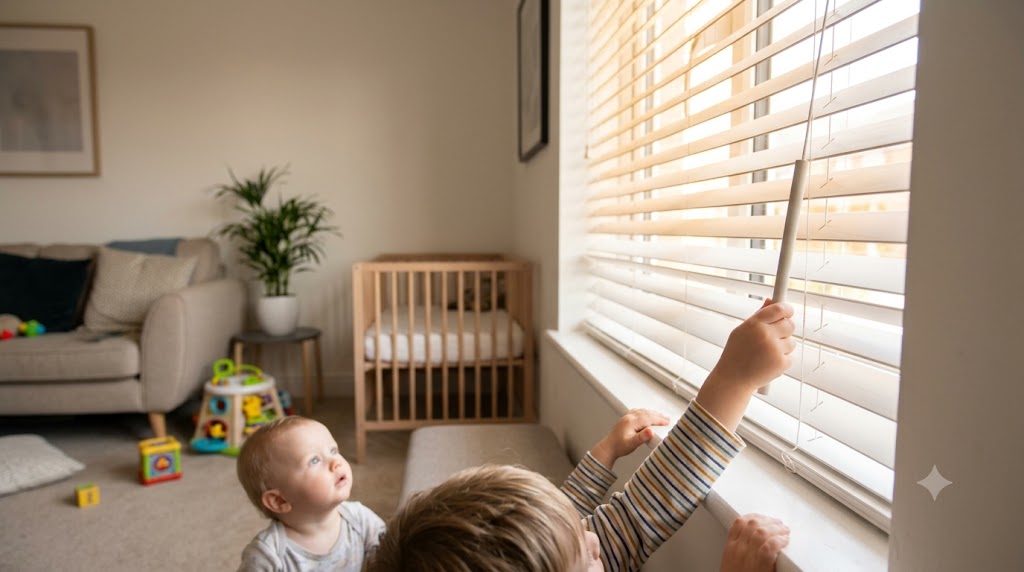
Every parent wants their home to feel like a safe haven for their children. We childproof cupboards, cover plug sockets, and install stair gates in doorways, yet one of the most common household hazards often gets ignored completely. Window blinds, and more specifically their cords and chains, have caused thousands of injuries and truly tragic accidents involving young children across the UK and even further.
At JJ All Blinds, based in Cardiff and serving the wider South Glamorgan area, we’ve been fitting blinds professionally for over a decade. Child safety is something we take a lot of care with, and in this all in one guide we want to share pretty much everything you should know about child safe blinds from learning about the risks and the law, to picking the right products and getting them fitted correctly in your home.
Whether you are a new parent, a grandparent, a childminder, or just someone trying to make their home safer for little visitors, this guide is for you.
Why Blind Cord Safety Matters more than you think
Most people do not realise that window blind cords are classified as a significant strangulation hazard for very young children, under age five. Babies and toddlers are naturally curious, they reach grab, and explore everything around them. A dangling cord at the right height is almost irresistible to a small child, and tragically the consequences can be fatal.
The Scale of the Problem in the UK
The British Blind and Shutter Association (BBSA) has been campaigning for a long time to make people aware of the blind cord dangers through their pretty famous ‘Make It Safe’ initiative. There have been incidents where blind cords became tangled, and kids ended up seriously hurt or even killed, sometimes after only a few minutes when they weren’t being supervised. What makes this risk feel extra troubling is, well, the speed with which it can happen and also the way it can be quiet.
A child might get caught in a looped cord, then slip, and suddenly they’re not able to call out for help, in just seconds. The cord tightens as the child’s body weight drops downward and unless somebody acts right away, the result can be catastrophic. And this isn’t only about families who are being careless, because it can occur in basically any home, for any household, when a child is out of view for such a short moment, like barely anything at all.
Who Is Most at Risk?
Children ages 0 to 5 are mostly the top risk group, with the worst danger window sitting roughly between 12 and 23 months. This is when babies start moving around more, curious and climbing, but they still don’t really understand what’s dangerous yet. During this time a child may pull up using furniture, and then end up reaching cords that seem like they’re already safely out of the way.
Also, the danger isn’t only for parents or families who have little ones inside the home. Grandparents, aunts, uncles, childminders, and even friends whose children regularly visit, should all keep their focus, because risk is still there, even if the home isn’t your main household situation.
UK Law, and child safety rules for window blinds
In the UK there are some quite forward blind safety laws, and it really matters that homeowners, landlords and the people working in the business get what their responsibilities are.
About the 2014 British Standard, BS EN 13120
From February 2014, any window blinds being sold , and also fitted in the UK should meet the BS EN 13120:2009+A1:2014 safety spec. This was pushed in part due to long-running effort from the BBSA and a few other child safety organisations , and it covers all brand new curtains and blinds even if kids do not live in the home.
The main things this standard looks for include, in plain terms:
- All new blinds should be worked up with child safety as the big idea, not something you tack on at the end .
- Cords and chains need to be completely removed if possible, or else fitted with approved safety devices so dangerous loops don’t end up forming .
- If any cord is still there, it must be fixed in place, and secured to at least 1.5 metres above the floor.
- Every blind ought to show clear safety warnings along with simple instructions, so nobody’s left guessing.
- Professional installers should always make sure the right safety devices are in place as standard, during each installation, not “maybe later.”
Additional standards, EN 16433 and EN 16434
Alongside BS EN 13120, the UK also asks for compliance with EN 16433 and EN 16434. These European standards handle, in particular, the design and testing of internal blinds and their safety components, meaning breakaway connectors tensioning devices, and cord cleats. Taken together, these three standards pretty much make up the legal framework for blind safety in Britain, so it’s not optional.
What this Means for Landlords and Letting Agents
If you rent out a place in the UK, you have a legal duty to make sure that any window blinds you fit (or have fitted) meet the up-to-date safety rules. If you don’t follow them, it can lead to serious legal trouble if, say a child gets hurt on the premises. At JJ All Blinds, every installation we do is fully compliant with the current UK regulations , so landlords and tenants can both feel relaxed about it.
What about older blinds already in your home
If your property has blinds that were installed before 2014, or you’re not certain whether they still match today’s requirements , it’s wise to get them checked ASAP. Older blinds with looped cords are widely seen as one of the most risky items you can have around. In a lot of situations, safety features can be added after the fact, but sometimes replacing the whole thing is the safest approach, and also tends to work out as the more cost-effective fix.
Types of Child Safe Blinds A Complete Guide
The good news is that the blind industry has kind of grown a broad selection of genuinely safe, stylish and practical options for homes with children. You really dont have to give up the look and feel, or the everyday functionality for safety either. At JJ All Blinds we stock and install child safe options across every style of blind we offer, so it all stays fitting and calm in real life.
Cordless Blinds, kinda the Safest Choice
Cordless blinds are widely seen as the gold standard when it comes to child safe window coverings. As the name says, they work without any cords or chains at all, nothing hanging around. Usually they go up and down by pushing or pulling the bottom rail right there with your hand. so there are no dangling bits, no loops, and no real risk of entanglement.
Cordless blinds come in lots of styles too, like roller blinds, Roman blinds, Venetian blinds, and those cellular or honeycomb shades. they are a great fit for nurseries, kids bedrooms, playrooms, and basically any other room where little ones spend time and move around a lot.
Key Benefits of Cordless Blinds
- Zero strangulation risk, there are simply no cords at all.
- It keeps a clean, uncluttered vibe, with no hanging hardware kinda sticking out.
- Works well in all the rooms of the home.
- Adults can operate it easily, while young children have a harder time trying to misuse it.
- Plus you can get it in a wide variety of fabrics, shades, and blackout variations.
2. Motorised Blinds, Premium safety and convenience
Motorised or electric blinds are usually operated by a remote control, a wall switch, or even through a smartphone app. Because there aren’t any physical cords in the way, they’re generally considered a lot safer for children, you know , no snag risk. They also make sense for those hard to reach windows or for people who have limited mobility, awkward stretching and all that.
In Cardiff homes, motorised blinds have become more and more popular lately, mainly because the tech is more affordable now, and it tends to be more reliable too. You can get them tied into smart home systems, set so they open and close at fixed times, and manage them from anywhere in the room or even when you’re not in the room at all. So really they end up being one of the most convenient and child-friendly choices available.
3. Wand-Operated Blinds
Wand-operated blinds use a rigid wand not a flexible looped cord to tilt the slats, or raise and lower the blind. Since that wand is a solid object, and it does not form a loop it does not create the same strangulation hazard as classic corded blinds. This wand mechanism is especially common on vertical blinds and Venetian blinds.
Even so, while wands are clearly more safer than looped cords, they should still be kept out of the reach of very young children if possible, because they can present a small risk of poking or bumping, if someone misuses them.
4. Tensioned Roller Blinds
Tensioned roller blinds are spring- loaded systems, basically operated by pulling down on the bottom edge and then letting go to raise back up again. There aren’t any operating cords at all the tension mechanism does the actual work. These blinds are super popular in modern homes, and you can get them across an enormous variety of fabrics and different opacity levels, even full blackout kinds included.
Since there are no cords to deal with, tensioned roller blinds are one of the most practical choices around and they’re genuinely child-safe too. They also feel quick to use, so they’re nice and handy for busy households, where everything needs to happen in a hurry.
5. Shutters, A Permanent, Cord-Free Solution
Plantation shutters and solid panel shutters are also a pretty great cord-free choice. With shutters, you adjust louvers or panels that are opened and shut by hand ,so you don’t need cords, chains or wands. Since they are basically a fixed, installed feature , they tend to last longer than fabric blinds, and they can really lift the look and even the worth of a property.
At JJ All Blinds, we provide and fit a selection of shutters around Cardiff, and they’re still one of the top picks for lots of families, especially ones with small children.
Now choosing the right child safe blinds for each room
Different rooms in your home have different needs and the best child safe blind for a nursery, might not be the best option for a living room or kitchen. Here is a quick room-by-room guide so you can pick the right one.
Nursery and Baby’s Bedroom
The nursery is the room where child safety is basically the most critical. Babies spend huge amounts of time in their cots, and later they may be able to pull themselves up using whatever furniture is near the window. For nurseries, we strongly suggest cordless blackout blinds, or motorised blackout blinds if you prefer that style. Blackout fabrics are essential for supporting a healthy sleep routine, and the total absence of cords means there is no real risk at all, none.
Children’s Bedrooms
As children grow, they get more independent, and they are more likely to operate the blinds on their own. Cordless roller blinds, tensioned blinds, or shutters are all good picks for a kid’s bedroom. Shutters in particular are extremely durable, and they handle the rough treatment that children sometimes dish out to their furnishings, pretty well.
Living Room and Dining Room
In those family living areas, you want something like a blind that stays safe, but also looks really good, not just “fine”. Motorised blinds give you that best of both worlds, the kind of day-to-day convenience plus real safety, especially in open-plan spaces. If you prefer a more premium feel without any cord-related risk, cordless Roman blinds or shutters are a solid option. For bigger windows, or patio doors too, vertical blinds with wand operation are another sensible pick, and they can be quite affordable.
Kitchen
In the kitchen, hygiene matters just as much as quick cleaning, but you also need to think about child safety. Cordless roller blinds made with wipe-clean fabrics work really well here. Alternatively, venetian blinds that use wand operation are also ideal for kitchen windows, because they are practical, and they bring that extra peace of mind.
Bathroom
When it comes to bathrooms, moisture-resistant materials are basically non negotiable. Cordless roller blinds in PVC, or using water-resistant fabrics, are a great fit for bathroom windows. Shutters in waterproof materials can also be a strong choice. Either way, both options are inherently child safe, and they’re easier to maintain than many other window coverings.
More Home Safety Tips for Parents with Blinds
Picking the right blinds is, honestly, the single biggest step you can take but there are a few extra things you can do too, that help quite a bit with safety.
Furniture placement and access to windows
Even if you’ve already installed child safe blinds, take a moment to think about where everything sits. Cots, beds, sofas, chairs and such should be kept away from windows whenever you can. Kids sometimes climb up , and once they’re up near the glass they may manage to touch blind parts that normally would be far out of reach. A good rule of thumb is keeping furniture about 30 cm away from windows and also from the window sills, this is usually a sensible precaution.
Regular safety checks, not just “set and forget”
After your child safe blinds are in place, inspect them from time to time to make sure everything stays in proper condition. Look over breakaway connectors, make sure they are intact. Also check cord cleats are fixed nice and snug, and if you have motorised systems then confirm they run correctly. If anything looks worn or damaged, replace it promptly, don’t wait.
Why pick JJ All Blinds for child safe blinds in Cardiff?
At JJ All Blinds, we have been working with families across Cardiff and within a 15 mile radius of the city for more than ten years. during all that time we’ve built a solid name around quality products, careful setup, and real customer care. When it comes to child friendly blinds, we feel families should get the best possible choice, and we put in the effort every day to make sure it lands right.
Our promise on safety
Every blind we supply and fit is fully aligned with BS EN 13120, EN 16433, and EN 16434, those are the three main UK standards that relate to blind safety. We do not trim things down on compliance, and we always fit fitting safety devices as standard, whether or not you asked for them specifically. Child safety isn’t just extra, it is part of the process, from start to finish.
Free measuring and a no obligation quotation
We provide a fully free measuring and quotation service for all customers. our team will come to your home, measure carefully, look at your windows and the rooms, then suggest the most fitting child safe blind alternatives for your situation. This measuring visit is usually wrapped up within one week, so you wont be stuck waiting too long before you can plan, and move toward new blinds.
Frequently Asked Questions About Child Safety Blinds
Are all new blinds bought inside the UK child-safe?
Under regulation, all new blinds proposed and installed within the UK must comply with the February 2014 child protection standards as a result. However, the safest option is still to opt for blinds that are totally wire relaxed, which includes cordless, motorized or rod driven designs If you are buying blinds, you should still check that the vendor meets BS EN 13120 and related European standards.
What do I do if my existing blind has a cord?
If you have older cabled blinds at home, you need to pick up the pace immediately. Start by using rope cleats at least one.five yards from fixed free rope. Consider installing release ties and tensioners on some loop cords. Then, plan to replace your blinds with definitely cordless options as soon as possible. Contact JJ All Blinds for a no-obligation evaluation and testimonial.
Are child-proof blinds more luxurious?
Not always. Cordless roller blinds and tension blinds are available at very competitive prices, often comparable in price to their wired counterparts Motorized blinds and shutters have a premium, but additionally offer additional benefits in terms of convenience, durability, that many homeowners and aesthetics do not get.
Can I retrofit safety devices to my existing blinds?
Most times yes. In many situations, cord cleats, breakaway connectors, and tensioners can be added to existing corded blinds, and it reduces the risk quite a bit though it may not remove it 100%. Our crew at JJ All Blinds can point you towards the best kind of safety upgrades for your current blinds, and yes they can fit them fast, cleanly and professionally.
Do shutters count as child safe blinds?
In general, yes. Plantation shutters and panel shutters are basically child safe by design because you don’t need any cords or chains to make them work. They are adjusted by hand, using the louvres or panels directly, and there aren’t any hanging bits. Shutters also end up being a solid long term investment for family homes.
Final Thoughts, Making Safety a Priority in Your Cardiff Home
The safety of your children is something no parent really can afford to leave to chance. Window blind cords are a proper, real hazard and it’s one you can prevent, easily, with the right products plus the right professional guidance. The good news is that the modern blind industry now has a broad and still growing set of child safe choices, which are not only safe but also good-looking, sensible, and great value.
So whether you are outfitting a fresh place, refreshing an existing property, or you’re just trying to deal with one particular safety worry, JJ All Blinds is ready to help. We cover Cardiff and the surrounding areas within a 15-mile radius, and we bring more than a decade of know-how to every job we accept. Our free measuring and quotation service also means there’s no charge or obligation to get going just that peace of mind that support is nearby when you need it.
Child safe blinds aren’t a fancy luxury or a rare specialist extra. They’re simply the sensible option for every home where a child might ever be around. We strongly encourage every family in Cardiff to treat this seriously, and to do something today, because when it comes to guarding our kids, there really is no such thing as being too careful.
Contact JJ All Blinds today for your free measuring and quotation: www.jjallblinds.co.uk
Best Blackout Blinds for Better Sleep
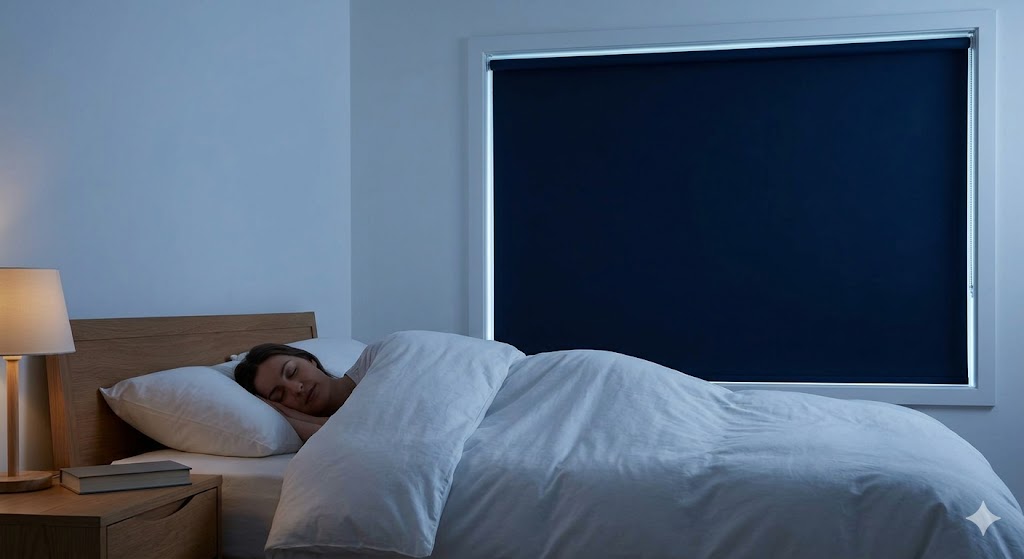
There’s a reason sleep researchers, interior designers, and even parents of young children seem to end up at the same solution when they talk about how to improve sleep quality at home blackout blinds. What sounds like just a basic window covering is, in reality, one of the most impactful tweaks you can make to pretty much any bedroom. Light is one of the strongest regulators of the human sleep wake cycle, and even small amounts of ambient light sneaking under curtains or around poorly fitted blinds can mess with the deep, restorative rest your body really needs.
At JJ All Blinds, we’ve spent more than a decade helping homeowners across Cardiff and the wider South Wales area choose the right window treatments for their spaces. Blackout blinds are one of the most requested products we supply and fit, and honestly it’s not hard to see why. This guide walks you through everything you need to know about picking the best blackout blinds for better sleep, including how light affects your body, as well as choosing the right style, fabric, and installation details for your specific windows.
Why light kind of messes up your sleep ,the science explained
How your brain handles light at night
To get why blackout blinds matter so much, it helps to understand what goes on inside the body when light sneaks into the bedroom. The human brain has a structure called the suprachiasmatic nucleus, which is basically the body’s internal clock, and it is very sensitive to light cues that come in through the eyes. When light lands on the retina, even if it is low intensity, it kicks off a chain of neurological signals that suppress melatonin production, that hormone that helps you start and keep sleep.
This is not some small thing, either. Research in chronobiology keeps showing that even dim light exposure during sleep hours can lower melatonin quite a bit , it can fragment sleep patterns, and it can also reduce the share of time in slow wave sleep , (that’s the deep phase). The color of the light has a role too, blue-spectrum light from screens and LED sources is especially strong but the main idea stays the same: any light, at any time at night works against better quality sleep.
The Thing About Usual Curtains and Light-Screening Blinds
A lot of homeowners think that thick curtains give decent darkness. But really, most off the shelf curtains and light-filtering blinds still let plenty of light sneak through the material, and just as importantly, through the gaps at the sides where the frame never quite seals to the window recess. Then you’ve got street lighting, car headlights , early morning summer sun, and sometimes even moonlight on clear evenings. All of that can be more than enough illumination to mess with sleep, specially if you’re in places like Cardiff where the light is pretty constant, urban vibes and suburban alike.
Proper blackout blinds fix that whole issue. They use specially engineered fabrics along with robust fitting systems, so almost no incoming light gets through. The gap between sleeping with light-filtering blinds versus quality blackout blinds isn’t minor either — many of our customers describe it as transformative, like suddenly the room is calmer and really, darker, without you having to fight the night every single time.
What makes a blackout blind really blackout, like truly blackout?
Blackout fabric ,and the whole ratings thing
Not every blind that gets sold as “blackout” is actually doing the job. The main thing is the fabric itself, especially how it’s made and what percentage of light it stops. Proper blackout fabrics are usually built with a three-pass weave or a foam-backed layer ,and that kind of layer is put on the reverse side of the material, so it forms a barrier that stops light from traveling through. With better materials you can see a light-blocking score of 99% or more, and that’s typically enough to create proper, near-to-total visual darkness during normal day-night conditions.
When you’re buying blackout blinds, try to choose products that actually mention their light blocking percentage, or they reference a recognised testing standard. Be a bit careful with fluffy terms like “room darkening” or “almost blackout” ,those phrases can be more like a gentle reduction of brightness, not a full stop. And for people who are sleep sensitive ,or just really need zero distractions, that kind of reduction is often not enough.
The edge gap issue, and the way to fix it
Even the best blackout fabric can end up disappointing if the blind isn’t fitted right. A common problem with ready-to-buy blackout blinds is that light sneaks in around the edges ,up top, down the bottom, and across the sides. It can end up looking like a narrow border of brightness, and honestly that can be weirdly distracting in a room you want fully dark.
That’s why professional fitting actually matters. At JJ All Blinds, we measure every window carefully before we suggest any fitting approach. Depending on the shape of your recess, we may recommend a face-fit install (so the blind sits on the wall or frame area outside the recess instead of inside it), which helps reduce the side-by-side gap a lot. For windows where complete darkness is necessary, like nurseries
Key Features to Look for in a Quality Blackout Blind
- Three pass coated or foam backed blackout fabric with 99% + light blockage
- Precise fit either exact recess measurements, or face fit installation, depending on your space
- Quality cassette or headrail to minimise the top gap, no fuss really
- Side channel or guide systems for roller blinds that basically remove side light entry
- Bottom bar weight, so the blind hangs flush against the sill
- Child-safe cordless, or motorised operation options available
Types of Blackout Blinds, what Style is Right for your Bedroom?
Blackout Roller Blinds
Straightforward, Neat, and Very Effective
Roller blinds are kinda the most popular pick for blackout, and there is a reason for that. They look sleek, minimal, and they’re seriously flexible you can get them in hundreds of fabric colours and textures to go with pretty much any room look. In the blackout setup, roller blinds use a coated fabric that rolls up into a compact cassette at the top of the window, so when they’re not in use, the space stays tidy and not all cluttered.
For the best blackout results, roller blinds often do well with side channels. Basically, these are narrow plastic or aluminium guides that run vertically down each side of the window, and the fabric moves through them as it lowers. The channels remove the side gap by a lot and turn a normal blackout roller into a really close light seal. JJ All Blinds supplies and fits blackout roller blinds across Cardiff, and we always chat through the channel option with customers who want proper, complete darkness.
Blackout Roman Blinds
Fabric elegance, with sleep friendly performance
Roman blinds feel softer and a bit more decorative than standard rollers. Instead of rolling up into a cassette, the Roman blind folds into horizontal pleats as it lifts, so you get that neat stacked look. it fits well in both traditional rooms and more modern spaces too. With blackout versions, there’s a lining layer of blackout fabric stitched to the back of the pretty face fabric, so it’s not just the front that does the work.
The main thing to think about for blackout Roman blinds is the lining quality. A well made blind with a proper blackout lining will usually perform brilliantly when pulled down. Still, they do not handle side channels the same way roller blinds do. For most bedrooms where a bit of ambient light control is totally fine (not the complete, zero light kind of darkness needed for shift workers ,or small children), blackout Roman blinds give a really good compromise between style and practical function.
Blackout Vertical Blinds
Perfect for big windows, sliding doors, and bay windows
These vertical blinds are made from individual fabric slats, they sit on a track and you can rotate them to open or shut. In a blackout setup, the slats use a coated blackout fabric and when they are fully closed, they overlap a little so light can’t sneak in between the vanes. Vertical blinds really shine in places where other styles just don’t behave, think large viewing windows, patio doors, bay windows and that floor-to-ceiling glazing vibe too, vertical blinds fit that sort of space particularly well.
For homes in Cardiff with modern open-plan rooms, wide rear glazing, or even conservatory bedrooms, blackout vertical blinds are a sensible and budget-friendly option. JJ All Blinds has a lot of experience installing vertical blinds across Cardiff, including unusual measurements and angled mounting jobs.
Blackout pleated blinds
A compact, versatile kind of window dressing especially for shaped windows ( not that straight boring ones ).
These pleated blinds use a honeycomb, or sometimes accordion-fold fabric structure. When they are raised, the material kind of compresses and stacks neatly, when lowered it opens out, so it actually covers the window area properly. In blackout mode, pleated blinds often use that cellular (honeycomb) setup, but with a blackout layer built right into the cell structure. That’s what gives you the light blockage, plus thermal insulation at the same time so the bedroom stays warmer in winter and cooler in summer, rather than swinging between temperamental hot and cold.
Pleated blackout blinds are a good match for skylights, roof windows, and also those irregular shapes where rigid frame systems are simply not practical. If you have Velux style roof windows in a converted loft bedroom, or in a dormer extension, then blackout pleated blinds are basically the best fit, and yes almost certainly the right solution.
Blackout Shutters,
The Premium Long-Term Investment
Plantation shutters sit right at the premium end of the window covering market, and when they’re specified with opaque panels instead of louvred slats, they can work as proper blackout solutions. Solid panel shutters (you might hear them called cafe style, or full-height panel shutters) block light entirely when they’re shut, and they’re built for the long haul… usually, they’ll last for the lifetime of the property.
At JJ All Blinds, we supply and fit shutters in Cardiff and also within the 15 mile surrounding radius. Yes, shutters often cost more at the start compared with blinds but, the durability, the timeless look, and the full light blocking performance mean they’re a really strong option for homeowners who want something permanent, low upkeep, and not something you’ll be thinking about every year. Plus, they can add measurable value to the property, so it becomes both a smart financial choice and a sensible practical one.
Blackout Blinds for Certain Rooms and Particular Times
Master Bedroom blackout blinds
The master bedroom is basically where most adults spend seven to nine hours out of every twenty-four, so it becomes the top choice when you care about better sleep. So the best blackout blind for a master bedroom is usually the one that gives proper total light blockage, but still looks right with everything else. You can go for a blackout roller in a neutral linen tone, or maybe a fabric roman blind in a muted colour that matches the bedding and wall colour, that kind of thing gives real darkness without turning the whole space into something kind of clinical.
For master bedrooms in Cardiff, where street lighting is a big deal especially in the city centre, Roath, Cathays, and other densely lit urban areas we typically suggest fitted side channel roller blinds or shutters, because they block light more effectively, for real day and night.
Children’s Bedrooms and Nurseries
When you have little ones, you soon notice that darkness and sleep, somehow go together more intensely for babies and toddlers than it ever does for adults. Young children tend to be really sensitive to light, and even a modest amount of morning brightness can jolt a sleeping infant awake at five o’clock, even if they were tucked in at a very reasonable time. It isn’t just a small hassle, because it affects the wellbeing of the child, and also the parent.
So for nurseries and children’s bedrooms, we suggest the most full blackout answer that you can get. Our most popular pick for young children’s rooms are side channel roller blinds, using a quality, three-pass coated fabric. The near-total darkness they generate doesn’t only help lengthen morning sleep but it also makes daytime resting sessions much more reliable, which is especially helpful during those first two years of life.
Shift workers and non standard sleep schedules
For folks who work nights, early mornings, or deal with rotating shift patterns the chance to sleep in daylight hours is not really a luxury it’s a health necessity. People on shifts who can’t get enough daytime rest tend to build up sleep debt very fast, and the effects are pretty well known, like issues with physical wellbeing, mental wellbeing, and also thinking skills.
A professional blackout blind install is, in day to day terms, sort of a health step for shift workers. We help many clients in Cardiff, people in healthcare, security, transport, and emergency services, who count on their bedroom blinds to set up proper sleeping conditions across daytime. For these customers we focus on full light blocking, above almost everything else, and during our free measuring visits we take the time to spot any small gaps or practical problems that could weaken the final fitting.
Home Offices turning into Guest Bedrooms
In today’s modern home, rooms often get asked to do more than one thing, kinda like a juggling act. So, a home office that also becomes a guest bedroom really needs window coverings that can shift from bright daytime working light to complete nighttime sleep darkness. Blackout blinds that handle dual functionality , like day and night modes or a more layered plan, meaning you use a sheer or light-filtering blind during the day plus a blackout blind later for the night can be a smooth, elegant answer to the whole problem.
Choosing the Right Colour and Fabric for Your Blackout Blind
Does Colour Affect Blackout Performance?
One of the most common misconceptions is that blackout blinds have to be dark in colour, or they just wont work properly. but actually the blackout performance mostly comes down to the backing or coating on the fabric, not the face colour you see every day. So a white or cream blackout roller can give the same results as a charcoal one, as long as both fabrics use the same quality blackout coating on the reverse side.
That idea is kind of freeing for interior design, really. you are not stuck with dark heavy-looking window coverings just because you want a darker room in the evening. At JJ All Blinds, we stock blackout fabrics in plenty of shades and textures, from soft pale neutrals to vibrant statement colours, meaning your blackout blind can be more of a design accent as well as a practical solution.
Fabric Texture and Maintenance
Bedroom blinds tend to pick up dust over time, and how simple they are to clean is sort of a useful detail to consider when you’re picking them. Roller blinds that use a smooth, wipeable blackout fabric usually are the easiest to keep neat most of the time a slightly damp cloth is enough to lift dust and small smudges. Roman blinds with fabric faces can need a bit more attentive spot cleaning, or even an occasional professional clean depending on the fabric weight and feel.
If you’re dealing with allergies, or asthma, smooth surfaced blackout rollers are typically a better idea than very heavily textured fabrics that can hold onto dust and other irritants. JJ All Blinds can help you sort through the most practical fabric selection for your exact home situation during our free measuring consultation.
Professional Fitting vs DIY, Why it matters for Blackout Blinds
The limits of off-the-shelf options
Sure, you can go ahead and buy a blackout blind from a home improvement retailer, then install it yourself. A lot of people do that, no big surprise. But the outcome is often a bit disappointing, not necessarily because the blind is weak or badly made, it’s more about the measuring part, the sizing, and the actual fitting. Those steps need real precision, and honestly without experience it can be surprisingly hard to get it right.
Most ready-made blinds come in standard width steps, which rarely match the window measurements perfectly. Like, even a small gap of one or two centimetres between the blind edge and the window frame can still let in a noticeable strip of light, especially in the bright of a summer morning. So instead of a full blackout effect, you end up with something that merely reduces light. That might work for some rooms and situations, but it usually misses what people actually mean by true blackout performance.
JJ All Blinds, Free Measuring and Quotation across Cardiff
At JJ All Blinds, we give you a fully free measuring and quotation service for every customer within 15 miles of Cardiff. One of our experienced fitters will pop by your home, look over each window you want covered, take careful measurements and then send you a detailed quote, with no obligation at all. Usually the measuring visit is wrapped up within a week after your first enquiry, so you don’t have to wait around.
We’re proud of the standard of our work and the good relationships we keep across Cardiff, Penarth, Barry, Pontypridd, Caerphilly and the nearby locations too. With over a decade of experience in the South Wales window covering market, we’ve met and handled almost every fitting issue a Cardiff home might throw at you, from tight Victorian sash windows in Pontcanna to large modern glazing on new builds all over the city.
Frequently Asked Questions About blackout blinds
Are blackout blinds the same as blackout curtains?
Not exactly, but they do aim at the same basic result , blocking light. The difference is how they’re built and how they sit. Blackout curtains usually use a heavier, solid fabric (or blackout-lined fabric) hung from a track or a pole. Blackout blinds are more like a fitted covering, often mechanically operated, that sits inside the window recess or very near the frame.
In general, blackout blinds give a better light seal than curtains, because they can be measured and fitted much more precisely to the window dimensions , which helps remove those annoying side gaps that are pretty much unavoidable with curtains.
How long do blackout blinds last?
If its a decent blackout blind that’s properly fitted, and you keep it in decent condition, it should hang around for about seven to fifteen years, depending on the fabric type, the operating mechanism, and just how much you use it. Roller blinds with a spring or chain setup usually sit in the most durable category. At the high end, shutters can actually last for the lifetime of the property, with only minimal upkeep.
Can blackout blinds be used in rooms other than bedrooms?
Yes, blackout blinds can be used in rooms other than bedrooms. They’re pretty good for home cinema or media rooms, especially when screen visibility matters, also for nurseries and the living areas of shift workers where daylight timing is kinda tricky. Any room where you need strong light control for a particular activity works well, really. A lot of people even fit blackout blinds in south-facing living rooms to reduce glare and the overheating effect on summer afternoons, so it feels calmer.
Do blackout blinds actually work on all window types?
Pretty much, yes blackout options are available for nearly every kind of window setup, like regular casement windows, sliding sash windows, bay window sections, skylights, roof windows, and even patio or French doors. In practice the right blackout blind type, plus the way it gets mounted, will depend on the window itself, so it’s not a one size fits every thing. That’s also why our free measuring visit is usually the best first step, we can look at your exact windows, then recommend the most sensible, practical solution for each area.
Ready to Transform Your Sleep? JJ All Blinds Is Here to Help
Better sleep is not really a luxury it is a base, for everything else in life. Energy, mood, focus, physical health, and emotional resilience, all ride on how good and how consistent your sleep is, and honestly the room where you sleep has a big say in that. Blackout blinds are one of the most handy, quick, and budget-smart changes you can make, so your environment works with you instead of against you.
For more than a decade, JJ All Blinds has been assisting Cardiff homeowners to shape more comfortable living spaces. If you are after a straightforward blackout roller for a kids room, or a set of elegant Roman blinds for the main bedroom, or even a full suite of premium shutters for a full home shift, our team brings the experience, the product lineup, and the professional fitting know-how to get outcomes you’ll be genuinely happy with for years.
Our free measuring and quotation service covers every area within 15 miles of Cardiff, and there is absolutely no pressure attached. Pop over to jjallblinds.co.uk, get in touch, browse the collection, and take that first small step toward better sleep quality your home should be delivering, night after night.
How Blinds Help Reduce Energy Bills
The Smart Homeowner's Guide to Window Treatments
Energy bills in the UK have gone up quite sharply over the last few years and for millions of households, cutting monthly outgoings has turned into a real priority. Most people go straight to boilers, insulation and smart thermostats as the first move, but there is one option that’s often missed, and honestly also one of the most cost-effective things you can do and it’s right there in front of you, literally the window.
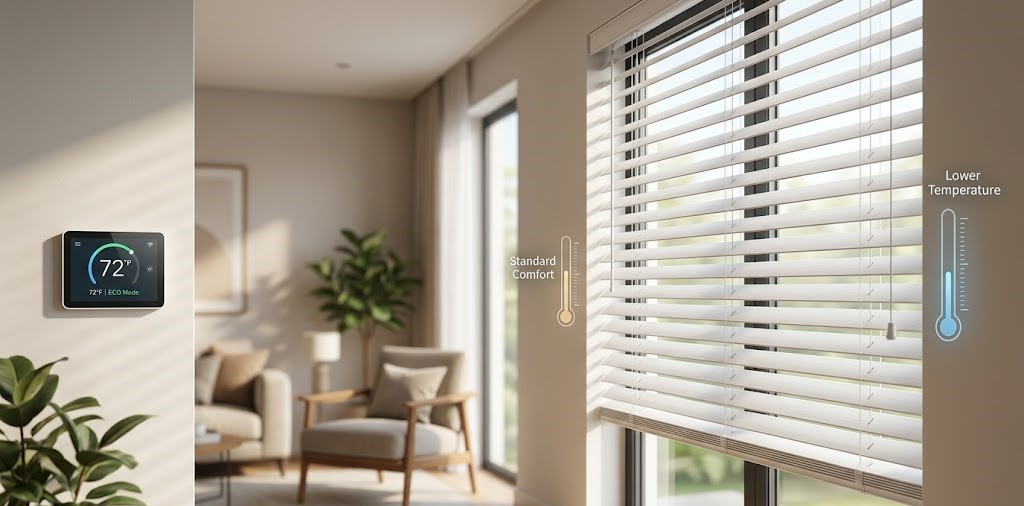
Windows play a big role in how much warmth a home keeps in winter, but also how much heat comes in during summer. Energy efficiency research suggests that unmanaged or poorly handled windows can make up something like 25–30% of a home’s total heating and cooling energy use. Picking the right window blinds, but doing it in a thoughtful way and fitting them properly, can cut that number down a lot. That means saving homeowners actual money each month, without needing costly building changes or a big investment.
At JJ All Blinds, we’ve been supporting homeowners across the local area for more than a decade, helping them choose the right window coverings for their homes. From vertical blinds to shutters and full blackout styles, we’ve seen up close just how much difference the correct blind makes— not only for a room’s look, but for how warm ,cool , and comfortable it feels throughout the year. In this guide we explain clearly how blinds reduce energy bills, which types tend to perform best, and how to get the most out of your window treatments all year round.
Why Windows Are Your Home's Biggest Energy Weak Point
Before we get into how blinds help, it kind of matters to understand why windows are this big source of energy loss, in the first place. Glass, even modern double glazed glass, is actually a relatively weak insulator compared with a solid wall. Heat ends up moving from warm places to colder ones through a process called thermal conduction , and one single pane of glass offers almost no resistance to that. Even double and triple glazing, though, are far better than a single pane, they still let heat escape considerably faster than a well insulated wall.
Heat Loss in Winter, The Cold Window Effect
During the colder months, the glass surface of a window stays a lot cooler, compared with the surrounding room air. That difference kicks off a convection current warm air rises, reaches the cold glass, then cools quite fast, and drops back down again toward floor level, as if it were a draught . So this whole loop, where warmed air is repeatedly cooled and guided toward the floor, makes the space feel colder than it truly is. At the same time, it makes the heating system run more and for longer periods just to catch up.
A blind that’s really well-fitted placed close to the window glass sort of interrupts the whole convection rhythm. When the blind holds a layer of quiet, still air between the fabric and the glass, it works like an insulating buffer. In other words, it slows down how quickly warmth gets from the room to that cold glass surface, and it reduces the draught effect quite a bit.
Heat Gain in Summer, When Sunshine Becomes a Problem
In summer, the problem kind of reverses. Direct sun light passing through glass carries infrared radiation , and it heats whatever it hits floors, furniture , and people too. So this solar gain can push room temperatures up quite a lot, and then the place feels less comfortable, which leads to more use of electric fans or air conditioning units, both of which add a lot to electricity bills too.
The right blind especially a reflective, light coloured, or solar-rated fabric bounces part of that incoming solar radiation back out through the glass, before it really gets a chance to warm the inside. That passive cooling effect costs nothing to run and it can lower indoor temperatures quite meaningfully on bright summer days.
The Air Gap Principle, Why Fit Matters as Much as Fabric
The insulating effectiveness of a blind is mostly dictated by how well it sits , properly fitted to the window recess. In other words, a blind that hangs a few centimetres away from the glass, plus noticeable gaps at the sides and the bottom, lets warm air move and swirl around it, pretty freely, which in turn undermines its thermal performance altogether.
This is why professional measuring and fitting which JJ All Blinds provides free of charge, usually finished within a week really makes a practical difference. A blind cut tightly to the window opening, and fitted with only minimal edge gaps, holds the air cushion it needs to insulate effectively.
The Best Types of Blinds for Energy Efficiency
Not every blind is equally good at stopping heat, or rather insulating your space. Some fabrics, specific ways the mechanism works, plus where it’s mounted can change the whole picture, sometimes a lot, and sometimes not so much. So the thermal efficiency depends on these different factors in a real-life, kinda messy way. Here is a loose breakdown of the main blind types you can find at JJ All Blinds, and roughly how each one helps with energy savings.
Roller Blinds, The Versatile Energy Saver
Roller blinds are one of the most popular choices in UK homes , and honestly for good reason. When they’re fitted correctly inside the window recess, a quality roller blind makes a sort of effective air pocket between the glass and the room itself . The big variable is the fabric , thicker and more densely woven materials especially those with a thermal or blackout backing tend to perform much better than lightweight sheers, no real comparison .
Thermal Roller Blinds
Thermal roller blinds are made with an insulating backing layer, more like a reflective foil or a thick dense foam coating, so they can keep warmth in a lot better. In independent testing it was found that a really well-made thermal roller blind can cut heat loss through a window by as much as 45% versus leaving a single-glazed window just out there. And yes, even if you already have double glazing, you still usually get a noticeable improvement.
Blackout Roller Blinds
Blackout roller blinds, made more or less to stop light completely, also manage great thermal results thanks to their thick, tightly woven fabric , or sometimes a coated finish. They’re a kind of solid choice for spaces that get strong morning and late afternoon sun in summer, because they limit solar heat build up while still keeping full privacy. At JJ All Blinds you will find a big selection of blackout options, for bedrooms , home offices, plus living rooms and similar areas too .
Vertical Blinds, Ideal for Large Windows and Sliding Doors
Vertical blinds are basically the go-to thing for wider windows, patio doors, and bi fold openings, places where horizontal blinds just are not practical. From the energy efficiency view, vertical blinds give pretty good solar control when their slats are angled so they deflect direct sunlight, this helps cut down on heat gain but you are not throwing away natural light entirely.
Newer vertical blind fabrics also come with solar reflective choices that can block a large percentage of solar radiation while still keeping a view through the glass. And for north facing rooms, where heat retention is more important than solar control, you can pick heavier fabric verticals which add a useful extra insulation layer against draughts, especially from large glazed areas.
Shutters, The Premium Insulation Solution
For homeowners trying to reach the top tier level of thermal performance, plantation shutters are basically the gold standard . While fabric blinds can help a bit, solid shutters especially those crafted from engineered basswood or MDF with a solid body act like a rigid little wall across the window, and that makes a noticeable reduction in convective heat loss plus helps stop cold air infiltration around the window frame, in a more direct way.
When they are closed, shutters form a meaningful air gap between the louvres and the glass, so you end up with insulation results that can even rival secondary glazing in certain setups . Of course there is an extra cost up front, but that outlay is frequently recovered over time through energy savings, and they also bring a strong boost to appearance and potential property value, not only the practical side either.
JJ All Blinds supplies and installs shutters across a variety of looks and finishes, and our free measuring and quotation service means you can review the option without any upfront commitment.
Honeycomb and Cellular Blinds, Engineering Meets Insulation
Honeycomb blinds, also called cellular blinds, are basically made with energy efficiency in mind. Their pretty distinctive structure is built from hexagonal air pockets that run the whole height of the blind. Each one traps a column of still air which then works as a kind of insulating layer. Then there are double-cell and triple-cell versions that stack a few layers of those air pockets, for better thermal performance, basically more heat control
A chunk of research from the US Department of Energy found that cellular blinds can cut heat loss through windows by as much as 40% when it’s in heating mode, and they can also cut solar heat gain by more than 60% in cooling mode. That’s especially in a light-coloured, room-facing setup. So for UK homeowners who want to squeeze out as much energy saving as possible from window coverings, honeycomb blinds tend to be one of the most scientifically backed choices around.
Seasonal Strategy, How to Use Blinds Differently in Winter and Summer
Getting the most from your blinds as a energy saving kind of tool, really comes down to using them a bit more strategically than usual. So you start adjusting how and when you operate them, by season, time of day, and the exact direction each window faces. It’s not all that complicated, but it does ask for a small shift in thinking; instead of seeing blinds only as privacy, or simple light control items, homeowners who treat them like genuine thermal management tools tend to get the best energy results.
Winter Blind Strategy, Maximise Heat Retention
Morning, Let the Sun In
On clear winter days, the south and west sides of windows get a useful solar gain, like sort of free warmth from sunlight that helps you not ask your heating system to work as hard, you know. Try opening the blinds on the windows that face the sun during daylight hours, so that this passive solar heating can actually work in your favor.
Evening, Close Early
As soon as daylight fades, or even earlier on overcast days, close your blinds, to trap that warmth which has built up during the day. Quite a lot of homeowners wait until it is fully dark before they close the blinds, but shutting them in the late afternoon can meaningfully cut down the heat loss rate through the glass, especially during the coldest stretch of the evening.
North-Facing Rooms, Keep Blinds Lower
North facing windows get very little, or none at all, direct sunlight when it’s winter. In rooms like these, it helps to keep the blinds kind of half lowered, even during the day, while letting in diffused light. That small choice cuts down on convective heat loss, without meaningfully touching the natural light level, or changing it much.
Summer Blind Strategy, Keep the Heat Out
East-Facing Windows, Close in the Morning
East-facing windows get that strong morning sunlight, and it can warm up a space pretty fast, like in a way you notice. So during the morning, especially for bedrooms, it helps to close , or at least partially close, the blinds on those east-facing windows. That small shift keeps the early heat buildup from taking hold, and the room stays cooler for longer.
South and West-Facing Windows, Use Solar Control Fabrics
Windows that face south and west take the brunt of most summer heat gain. In these directions, solar-reflective, or light coloured blinds, in a fabric that’s meant to reflect instead of absorb radiation, can make a noticeable change. If you keep the blinds shut, or at least adjust them to an angle during the hottest hours usually from 11am to 4pm indoor temperatures can drop by a few degrees, sometimes more.
Night Ventilation, Open Blinds and Windows Overnight
On warm summer nights, if you open the windows and the blinds it lets that cooler night air run through the home, so the thermal mass that kinda gathered up during the day gets flushed out. This natural ventilation plan tends to work really well once you pair it with something like keeping the blinds shut during the hottest daytime hours, which people sometimes refer to as “night-flushing” when they talk about passive cooling design.
Room-by-Room Guide, Which Blinds Work Best Where?
Different rooms have different needs, and the blind that seems perfect in a living room might not be the best option for a bathroom or a bedroom. Here’s a kind of real-life, room by room guide, to get the most from both energy efficiency and day-to-day functionality.
Living Rooms, Balancing Light, Privacy, and Warmth
Living rooms are usually the bigger and most used spaces in a home, and they almost always have the largest windows too. So for south or west facing living rooms, solar control roller blinds or those vertical blinds with a reflective fabric tend to be the best mix for glare reduction, heat management and keeping the view. Then for north facing, or generally cooler rooms, thermal-backed roller blinds, or shutters, deliver the better insulation performance.
And yeah, layering blinds with curtains especially lined or interlined curtains can be even more efficient, because those two layers trap a larger pocket of air between the window and the room, you get more than just one layer working.
Bedrooms, Blackout and Thermal Performance Combined
Bedrooms really get a lot out of blackout blinds, i mean, for sleep quality as well as energy efficiency. A solid blackout blind removes that early morning light intrusion in summer, plus it builds a dense insulating curtain against heat loss in winter and also heat gain in summer. In bedrooms with east-facing windows this can be extra helpful, it keeps the space from warming up too soon, like before you are actually ready to wake.
JJ All Blinds offers blackout options in a broad selection of colours and fabric textures, so you do not have to trade looks for thermal results.
Kitchens and Bathrooms, Moisture-Resistant Options
Kitchens and bathrooms kind of present a particular challenge, because high humidity there means the blinds have to be made from materials that resist moisture, and not warp or turn colour, or end up harbouring mould. So, PVC or aluminium venetian blinds work well, moisture-resistant roller blind fabrics too, and waterproof shutters as well.
Even if the insulation effect of moisture-resistant blinds is usually a bit lower than what premium thermal fabrics can do, they still help a lot with cutting draughts and heat being lost around the window areas, especially in rooms that are often already among the warmest parts of the house.
Home Offices, Glare Control and Thermal Comfort
With remote working now sort of a permanent fixture for a lot of UK households, the home office has turned into one of those priority spaces. For anyone working at a desk, facing, or maybe even next to a window, solar control blinds that cut down glare while not completely killing the natural light are basically essential for productivity and general comfort, honestly. Light-filtering roller blinds, and angled vertical blind slats too, both let in softer daylight , while removing the direct glare that makes screen time feel awkward.
From an energy perspective though, keeping a comfortable working temperature without leaning on an electric heater , or fan, is the real priority and properly fitted thermal blinds help with that in a direct way.
How Much Money Can You Actually Save? The Numbers Behind the Benefits
It’s reasonable to ask, how significant are the actual energy savings from fitting quality blinds? In practice, results will always vary based on the house size, window area, existing glazing, and how well the blinds are actually used, day to day. Still the evidence looks encouraging , and it’s not just guesswork.
Research from the Energy Saving Trust and independent academic studies keeps pointing to window coverings as one of the more cost-effective passive insulation measures for homeowners. Since blinds require no energy to operate, no maintenance costs either, and they deliver benefits every single day, their cost-effectiveness basically stacks up over time.
Comparing Blind Types by Estimated Heat Loss Reduction
Cellular or honeycomb blinds can deliver as much as about 40% less window heat loss, depending on setup and yeah, that sort of thing. Thermal roller blinds with a reflective backing usually reach around 35% reduction, while solid plantation shutters manage roughly up to 30% in convective loss. On the other end of the scale, standard lined roller blinds are closer to 20% reduction, and light unlined roller blinds may only do around 10% .
Also, those numbers are specifically about heat loss through the window, so they dont really include the extra upsides from diminished solar gain during summer, which can be pretty important for cooling expenses too.
The Payback Period, Blinds vs Other Insulation Measures
Loft insulation, cavity wall insulation, an double glazing all offer meaningful energy savings but they come with a hefty upfront investment and, in a few cases, quite a bit of home disruption. Quality blinds, on the other hand, cost far less, can be installed within a day, with no real structural work involved and they start delivering savings pretty much straight away
For a lot of households, especially those in older properties with bigger window areas, quality thermal blinds are often the best return on investment from any single energy-efficiency measure, mostly because their price is relatively modest and their effect is immediate, then it keeps going.
Conclusion Small Change, Big Savings, Why Blinds Are One of the Smartest Energy Investments You Can Make
In a stretch of sustained high energy costs, every practical step a homeowner can take to cut heat loss and keep unnecessary energy use in check, really does matter. Blinds aren’t a silver bullet , because no single thing fixes everything , but they are one of the most accessible cost effective, and quick upgrades most UK homeowners can make without too much fuss.
There’s no structural work required. The gains start straight away, from day one. They help with day to day comfort, they protect furnishings from fading and wear, and they give better privacy as well. Plus, they bring a certain visual neatness , improving the look of a home while also doing the job on thermal performance. And when you pick the right option and they are fitted properly, the better models can cut heat loss through a window by as much as 40% , which is a genuinely meaningful contribution toward a warmer home and a lower energy bill.
At JJ All Blinds, we’ve spent more than ten years working with homeowners across the local area to find the right window coverings for their space. Whether you’re considering vertical blinds, shutters, blackout solutions, or something entirely different, we offer the experience , the range, and that personal kind of service that makes the whole thing feel straightforward, and the outcome feel worth it.
Our free measuring and quotation service , usually finished within a week means there’s no cost, and no obligation while you figure out what difference the right blinds could make. Contact JJ All Blinds today, and take that first step toward a more comfortable, more energy efficient home.
Visit us at jjallblinds.co.uk Free Measuring & Quotation Available Now
The Ultimate Guide to Choosing the Right Blinds for Every Room in Your Home
Choosing the right blinds for your private home goes as well as the right window coverings. In many ways, it creates a subtle, useful, and visually appealing environment that suits your lifestyle. Ideal blinds can fully recreate a space including the use of natural manipulations, increased privacy, enhanced insulation and intricate finishes to the interior.
Every room in your home has unique options, which is why one approach to measuring windows isn’t much. For example, a gentle and airy living room can also enjoy the addition of blinds that effortlessly filter hours of sunlight and keep open enjoyment, while bedrooms often have dark options to ensure a comfortable sleep without disturbance from soft outdoor areas .
Another significant disturbance is how the Blinds Cardiff contribute to the show of force. Well-designed blinds can help mobilize heat indoors through support to reduce heat loss sometimes in the winter weather, and although this is not always the easiest fun measure to prevent overheating in the summer, it can also help reduce software payments throughout the year. Deciding on the right blinds is also important to change the glare and also get a nice indoor climate
The style also has a prominent position. Blinds are not artisan an authentic extra they are an essential part of current decor. From sleek and minimalist roller blinds to fashionable Roman style and rather adjustable Venetian design, there are countless opportunities to make your decor healthier with the colors, textures and fabrics you choose they can blend seamlessly with your area or make a formidable announcement.
Finally, the choice between gear settled and finished blinds can have a significant impact on the general end result of the waiver. While beautifully designed options may also seem easy, custom blinds offer a unique shape, higher finish, and an extra delicate look.
Why Choosing the Right Blinds Matters
Blinds are often seen as perfection, but in truth, they play a full role in how your own home looks, feels and characterizes from day to day Right choice can beautify coziness, improve practicality or even contribute to long-term price savings
The most important task of the blind is to:
Natural Light Control
One of the most important responsibilities of the blind is to monitor the gentle of herbs. Different rooms require specific levels of light, and the right blinds allow you to sort through the soft layers at any time of day. Whether you want a clean sunlight timer or block out the harsh daylight altogether, it ensures you’ve got a complete makeover over your environment.
Maintaining confidentiality
Blinds are also important, especially in bedrooms, toilets and hallways. A well-fitted blind gives the outdoors a calm with the help of a smooth floor, so that you constantly feel comfortable on the mattress.
Excellent energy performance
Another big advantage is better energy production. Quality blinds act as an extra layer of insulation on home windows, helping to maintain property temperatures at some level throughout at least all the adequate comfort months and whenever the interior gets funky during warm spells this can reduce the strain on heating and cooling systems, thereby reducing my average energy bills.
Complementing your interior decor
In addition to capacity, blinds have number one in complementing the interior. The right layout, color and materials can all be integrated to tie the area together and reinforce the same old aesthetic. Whether your fashion is advanced, traditional, or minimalist, blinds can be assembled subtly or a standout feature.
However, choosing the wrong type of blinds can cause several problems. Poor smooth manipulation can make rooms too dark or too bright, as the wrong materials in moderately humid areas like kitchens and bathrooms can cause damage or reduced lifespan Apart from that, mismatched styles can disrupt the visual cohesion of your space
Taking the time to choose the right blinds is guaranteed to accurately balance style, comfort, and practicality in every room of your home
Best Blinds for Living Rooms
The living room is often considered the coronary heart of the world where you can relax, entertain guests and have a good time with relatives. So your blinds will strike the ideal balance of fashion and power. They will beautify the general appearance of the room and also offer you the flexibility for softness, privacy and luxury in connection with the day.
When it comes to choosing the appropriate option, there are many patterns that generally work well in living rooms:
- Roller blinds are a popular choice for existing homes for easy signage and clean access. They are extremely flexible and can come in a wide range of colors, patterns, and levels of opacity, which makes it effortless to match them to your current decor while maintaining a graceful and tidy look .
- Roman blinds also give a stylish and high value feeling. They are made from soft fabric that folds perfectly when lifted, giving your area a warm warm warmth and texture. These are perfect if you want your blinds to behave as an installation feature rather than just a discreet addition.
- Venetian blinds are ideal for people who want top gentle management and privacy. With adjustable slats you can tilt them herb for gentle access without interference from the outside including reducing glare or maintaining privacy is mainly beneficial in rooms facing street or having strong daylight
In addition to fashion, it is also important not to forget how blinds interact with the comfort of the living room. Natural softness can significantly affect the ambience of your space, so choosing a good soft light outdoor is key.
Best Blinds for Bedrooms
Bedrooms are made for comfort and relaxation, so choosing the right blinds to enhance a მშვიდ requires miles, comfortable environment Unlike different rooms within the house, bedrooms need a strong sense of privacy and manipulating lighting because it affects sleep. Having the ability to soft block outside can make a super difference in how comfortable you are comfortable in the morning in daylight or night time street light fixture installation .
When choosing a bedroom blind, it is now important not to miss out on options that provide maximum security and minimum soft leakage. Some effective options include:
Blackout Roller blinds are the smartest solution for bedrooms. They are made of special light-blocking materials and prevent unwanted darkness from entering the room, helping to maintain a dark and comfortable atmosphere at any time of the day They are much useful for shift workers, fast sleepers or children's rooms.
Roman blinds with blackout liners offer a convenient set of patterns and capabilities. While folds of glossy fabric add a touch of elegance and warmth to the interior, the introduced blackout liner ensures top-notch gentle manipulation and privacy, making it beautiful for people who need aesthetic seduction and show.
In addition to visiting the blinds, the choice of fabric and color plays an additional important role. Heavier materials are not ideal for blocking extra light but can also help with insulation, making your bedroom warmer in the winter and cooler in the summer This extra snoozing vibe supports the 12-month cycle.
And you no longer have to look at how healthy your blinds are within the dominant design of your bedroom. A calm and harmonious look can adorn comfort, as too animated or perhaps hectic styles can feel distracting.
Tip: Choose dark colors, thick fabrics or totally covered options to create a cozy, cocoon-like ecosystem. It improves too unique of not the most effective sleep but likewise gives the experience of solace and privacy, making your bedroom a real paradise outside globally.
Best Blinds for Kitchens
The kitchen is usually the most active area in your home, meaning you will want your kitchen blinds to be both stylish & subtle. Kitchen windows face direct exposure to heat/light, moisture from vapour & grease (especially cooking fatty foods).
The accumulative effect of the above (exposing your blinds to many hazardous conditions) will lead to an extended closure of your blinds due the fact it will eventually lead your blinds to be dirty & clogged from moisture, due to their use being mostly in commercial kitchens .
When considering kitchen blinds, it is miles and miles too important not to forget many factors than those mentioned above when considering kitchen blinds in Cardiff. Some alternative options include:
Vertical blinds are an incredible benefit for kitchens with large home windows or patio doors. They offer super soft manipulate and smooth changes throughout the day. Their design also allows for easy ventilation, which can be beneficial at some stage of cooking. Additionally, color schemes can often be cleverly dried or changed when desired, making them a real long-term answer.
Faux Venetian Wood blinds honestly offer the traditional look of real wood. They were made of moisture-resistant material and did not warp or spring in wet conditions. They are also very easy to apply, which usually requires a small wipe to remove any dirt or grease, making them best for busy kitchen environments
Another thing that should not be missed now is the layout. Blinds near a sink or cup can open to water splashes and kitchen debris, so it’s important to choose a reasonably long-lasting and detergent-loving material in those areas.
Design is important in the kitchen, however, simplicity is often preferred over size. Sleek panels and neutral palettes create a sleek look that makes the look of cabinets and countertop incredible wherever your kitchen is a mess.
Tip: Heavy fabric window coverings tempt cooking odors and take longer to care for. So, make use of our top suggestions and you will spend much much less time on cleaning than if you did not have a colorful clean kitchen and tried to keep out the mess created through the fabric of drying techniques and espresso toasting.
Best Blinds for Bathrooms
Bathrooms are obviously ultra-humid environments, which means it is important to determine the right blinds for each durability and long-term performance Steam, splashes and moisture can quickly damage wild furniture, cause distortion or mold So, blinds are miles important to choose normally with regard to any condition.
In addition to moisture resistance, toilet blinds should also provide a fantastic level of privacy. Unlike different rooms, bathrooms regularly require full insurance, especially if the windows face neighboring residences or streets. At the same time, it is important to allow the herb to have soft access, so that the space feels bright and open rather than confined.
Top Choices
- PVC Roller Blinds Curtains are one of the most realistic options for toilets. They were made of water-resistant fabric and could easily manipulate liquids and coffee grounds without fading. They are simple and easy to use, making them the best for keeping regularly used space accessible.
- Aluminum Venetian blinds are all other excellent choices due to their durability and resistance to corrosion. Their adjustable slates come with precise manipulation in soft concealers so you can tilt them however you want throughout the day. This makes them particularly useful for balancing brightness with discretion.
Additional Considerations
Ventilation and renovations should be considered when choosing bathroom blinds. Options with Shutters Blind Cardiff North, help prevent mold or mildew from forming in the mix with blinds that are clean to wipe down. Light or reflective colors can also help create an herbaceous, soft aesthetic that makes a small toilet look more spacious.
Tips:
Choose a privacy-focused design that allows you to clean through herbal softener as well. Frost finishes, soft filters or adjustable slats help you strike a precise balance between light and restraint, ensuring your toilet remains functional and comfortable.
Best Blinds for Conservatories
Conservatories are a fantastic addition to any domestic, providing a busy and open area filled with herbaceous plants. However, due to the fact that they are usually surrounded by large glass panels, they can also gift annoying situations in terms of temperature control and glare In summer, conservatories can be uncomfortably hot due to direct daylight, just as in winter they lose heat quickly. Choosing the right blind is essential to creating long usable and comfortable year-round spherical.
Unlike ultra-modern rooms, conservatories need blinds that do more than just provide privacy, they will actively help with fit. The right solution can reduce heat buildup, reduce glare on sunny days, and increase insulation when temperatures drop.
Top Choices
- Pleated blinds are a very powerful alternative to conservatories. Their precise honeycomb or layered structure facilitates trap breezes, providing an insulating barrier that keeps the heat out in the summer and warm in the snow They are lightweight and fashionable, making them a practical and attractive choice.
- Roof blinds are designed specifically for the glass panels above, which are often the principle supply of asymmetric daylight and heat. By covering the roof space, those blinds significantly reduce glare and eliminate far too much heat, as well as develop a balanced and comfortable atmosphere .
Additional Considerations
You should consider your conservatorship as a whole. Hand controls provide both ease and comfort in your home, work or reception area. Vertical or motorized blinds will help you evaluate/view any area of the house at any time, including hard to access roof areas.
Don't forget about the interior! Use bright and airy colors as well as reflective/draped material on your furniture for a better look if you compare comfort vs. decor.
Tips:
Choose thermal green blinds to maximize the benefits of your conservatory. These features stabilize the temperature inside, reduce electricity bills, and ensure that your car is occupied and comfortable regardless of the season.
Key Factors to Consider When Choosing Blinds
Before making a final choice, it’s important to take a step back and compare how your blinds would fare in a typical lifestyle. While fashion is often the first part of human word, practical factors such as lighting control, privacy, and remodeling will ultimately determine how satisfied you are with your desire Careful consideration of these factors will ensure that you choose blinds that fit your property and lifestyle.
- Lighting Control
One of the principle functions of blind is herbal management. Different rooms require certain levels of light. For example, you need full solution options in bedrooms for better sleep, even when living rooms and kitchens often benefit from soft, filtered lighting that creates a lively and inviting environment without harsh lighting
- Privacy Requirements
Privacy is all other main considerations, depending on the location of the windows. Bedrooms and bathrooms often need very good privacy, because the more opaque or adjustable blinds are ideal. When evaluating, you can prioritize openness and gentleness, keeping in mind lightweight fabrics or adjustable spaces in residential areas.
- Content
The fabric of your blinds plays a big role in strength and performance. In different rooms that are proof against moisture in areas prone to moisture like kitchens and toilets, and smooth for cleaning, you can learn extra about texture, appearance, and insulation housing.
- style and format
Blinds are a big part of your decor as they will complement your overall design theme. Whether your home is contemporary, traditional, or minimalist, deciding on the appropriate colors, styles, and finishes can help connect the distances and enchant the overall beauty.
- Maintenance
Don’t forget how to use different times for protection. Some blinds require light dusting or gentle cleaning, while others are less innovative and smoother to wipe down. Choosing the fashion that suits your lifestyle will help maintain your home search neat and tidy with minimal effort.
By carefully considering these 5 factors, you can choose a blind with a focus on being delicate and visually appealing, ensuring long-term fulfillment with your choice .
Made-to-Measure vs Ready-Made Blinds
Most important advantage when choosing new blinds for your home is whether to go for amazingly designed options or invest in the following lap blinds .
Clear blinds are manufactured in well-known designs, which means they can be a very good preference for those seeking unique, budget cozy renewal, but due to the fact that home windows are luxurious in shape and size, their blinds cannot be consistently good this creates unwanted gaps that soften the appearance, long public view and privacy.
On the alternative side, made-to-measure blinds are specifically designed for your home home windows, ensuring precise and easy cleaning, this is now not the simplest improve the overall performance yet additionally complements the overall look of your area. A stunning fitted blind sits perfectly within the window, with a swish and effective finish that instantly elevates the room.
Another big advantage is the high-quality materials used. Blinds made for diplomas are typically required to come in a mile-wide range of top-priced fabrics, finishes, and mechanisms. This allows you to choose options that make your preference higher healthy, whether it’s a progressive black display, a forward temperature display, or an aesthetically pleasing design
In Luke’s words, custom blinds provide much more polished and tailored tailored stop results. Because they can be collectively designed with your actual space in mind, they integrate extra authentically with your decor and stay away from the “off-the-shelf” look that can sometimes come in style and form.
Conclusion
Choosing the right blinds for your home is all about striking the right balance between style, comfort, and practicality. Every room has specific desires, whether it’s dark tones for bedrooms, moisture-resistant materials for bathrooms and kitchens, or smart yet useful designs for homes or knowledge of how expert blinds work in certain environments.
Blinds are more than just window coverings; They have an impact on the softness of your interiors, privacy, electrical overall performance, and familiar surroundings. Taking the time to not forget substance, protection, and design will ensure that your desire will stand the test of time, no matter your priorities
While properly built options can extra comfort, integrated lap blinds consistently offer a higher suit, better comfortable, and more delicate inside this makes them a smart long-term financing for owners who appreciate adornment and performance.
Frequently Asked Questions (FAQ)
1. What are the best blinds for most rooms in a home?
The adequacy of blinds depends on the reason for the room. Roller blinds and blinds are versatile and perfect paint in maximum areas, as Roman blinds are ideal for adding a softer, more decorative contact In bedrooms, blackout curtains are often a beautiful desire, likewise moisture-resistant materials are more best for bedrooms and bedrooms.
2. How do I choose the right blinds for each room?
Start by considering the number one functions of space. Think often about how you need good concealment, soft adjustment, and robustness. Bedrooms generally want darker options, living rooms benefit from a bent fireplace, and toilets need waterproofing. Style and protection are additional considerations.
3. Are blackout blinds necessary for bedrooms?
Blackout blinds in bedrooms are particularly encouraged as they softly block out and help improve sleep satisfactorily. They are often useful for gentle, tactile switchers to well-lit areas or homes.
4. What type of blinds are best for kitchens?
Kitchens need blinds that must be cleaned to keep them smooth and must be resistant to moisture and heat. Faux wood blinds and PVC roller blinds are popular choices because they can be long-lasting and easy to use.
5. Can blinds help with energy efficiency?
Yes, standard blinds can boom power efficiency by adding insulation to the window. They help reduce heat loss in freezing and keep you relentlessly warm within the summer, which can help reduce software and programming bills.
6. What blinds are best for bathrooms?
PVC curtain blinds and aluminum blinds are ideal for bathrooms because they are moisture resistant, durable, clean to snug and they additionally offer good privacy while still allowing natural light when desired.
7. What is the difference between ready-made and made-to-measure blinds?
Clear blinds come in many sizes and are affordable and easily available in most cases. Blinds are custom-made for the windows of your home, adding a super size, more sophistication, and a more professional interior.
8. Are made-to-measure blinds worth it?
Yes, made-to-degree blinds are usually worth the investment because they offer an exceptional fit, forward strength, and a more polished look, which they also tend to ultimately last longer and perform better than the prevailing well-made options.
9. Which blinds are easiest to maintain?
PVC, aluminum and wedding blinds are a range of adequate. They can often be wiped down with a damp substance without issue, making them fine for busy homes or overused areas.
10. How often should blinds be cleaned?
It depends on the location. Extensive light dust of blinds 1–2. Every week deep and smooth over several months. Kitchens and toilets may require general cleaning due to moisture and grease.
The Science Behind Light Filtering Fabrics in Modern Blinds
Light-filtering fabrics are a major innovation in modern window coverings, designed to stabilize green daylight with comfort, privacy and display of power Commonly used in blinds Cardiff homes, these fabrics do not completely block sunlight like blackout materials but instead gently diffuse light to create a softer and more welcoming interior environment.
This controlled expansion of detail is done through carefully designed material fabrications, which is how soles in the tab interact with the fabric. When natural light passes through the material, the soft rays are gradually reflected into the hard beams. This reduces glare on video display units, softens shadows, and creates a visually balanced environment that feels jarring without being overwhelming.
A significant advantage of light-filtering fabrics is their ability to maintain the pleasure of openness but at the same time reduce visibility from exterior doors providing privacy of sunlight hours as residents can maintain enjoying vegan sun hours with a sense of indoor and outdoor connectivity.
These fabrics additionally support excellent lightning performance within the home space. By controlling the amount of direct daylight in a room, they help reduce heat gain to a certain level at a certain point during the warmer months and help reduce excess indoor heat by reducing the need for artificial cooling, making them an energy-conscious and cost-effective option .
In addition to the substantial benefits, soft felt fabrics are available in a huge range of styles, textures, and finishes. Modern building strategies allow homeowners to choose options that suit their interior style while maintaining their capabilities. As a result, they can become an increasingly popular desire in current interiors, where every aesthetic and comfort is important.
1. What Light Filtering Fabrics Are Designed to Do
The main reason for a soft filtering cloth is to manipulate it without throwing out the daylight completely. They block natural light like dark materials, and they are designed to soften and distribute throughout the room. This creates an even lighting effect that feels natural, tight, and smooth on your eyes throughout the day.
By controlling how daylight enters the area, those screens help reduce the intensity of direct light but maintain brightness.
They are primarily useful in modern households, where the herb is prized for gentle, however all the promotion can occasionally cause pain, screen glare or overheating. The soft-filter fabric provides a true middle ground between full promotion and overall color.
Key Benefits
- Reduce harsh daylight and glare
They melt direct sunlight, making it easy to paint, relax, or perform without eye strain.
- Careful lively indoor environment
Rooms stay clearly lit during periods of the day when it is dark or enclosed outside.
Improve daylight privacy
They limit visibility from the outside and still allow you to enjoy the naturally gentle interior in your own private home.
- Create softer, more relaxing lighting effects
The lighting is quietly subtle, reducing sharp shadows and enhancing a calm, cozy atmosphere.
Overall, light-filtering fabrics are designed to beautify ordinary life with the right balance of brightness and luxury, making them a well-known preference for modern interiors .
2. How Light Interacts with Fabric
Light behaves by relying on the otherwise damp fabric, and that is the central mechanism behind how light filtering blinds work. These fabrics are carefully designed to softly control the movement of the herb in a precise and balanced manner, not definitely obstructing or allowing through.
When sunlight reaches the light filtering material, it no longer behaves uniformly in an uncoupled manner. Instead, there are miles carved into specific interactions that work together to create a gentle, diffused light within a room. This helps reduce harsh glare and still illuminates the distance clearly.
How Light is Managed
- Recording:
Part of the soft is absorbed into the fibers of the fabric. This helps reduce normal intensity and makes light softer indoors.
- Reflection:
Some of the light reflects off the bottom of the fabric and bounces down to the surface, helping to control glare and uninterrupted glare.
- Shipping:
Finishing soft passes through the fabric in a controlled manner while still ensuring that the room receives natural daylight.
The Result of This Process
When these 3 interactions are created together, the final results are a diffuse and evenly distributed lighting effect. Instead of the increasing brightness of the pointed rays of sunlight and strong shadows, the space is filled with soft, even fluffy.
This makes the indoor experience more sleek and visually appealing, especially in places where green lights are important and still want to manage for normal use.
3. The Role of Weave Density
The structure of the weave of the material plays a primary role in determining how much softness enters the space and how far it is distributed. Even small differences in web density in soft-filter blinds can significantly affect brightness, privacy, and specific comfort. This is why manufacturers carefully configure textile systems to reap specific lighting outcomes.
There are many ways to combine male or female threads to give shape to a garment. The tighter or looser this shape is, the more immediately it affects how daylight travels through the fabric.
Types of Weave Structures
Tight binding
Fibers with minimal holes are packed deeply into densely woven strands. This creates a denser fabric that reflects stronger light.
Key Features:
- Allows more daylight to enter the room
- Improve privacy during sunlight hours through reduced external visibility
- Significantly reduces glare from direct sunlight
- Creates a more controlled and shaded setting
Tightly woven fabrics are ideal, especially in areas with strong daylight support where comfort and privacy are priorities.
Loose binding
The loose weave allows for more spacer fibers, allowing additional light to penetrate the fabric. This gives a lighter and more open look.
Key characteristics:
- Allows more natural sunlight hours into the space
- Creates a soft, ethereal and brilliant atmosphere
- Gives a better lighting effect during the day
- Offers slightly less privacy compared to rigid tissues
Loosely woven fabric is usually chosen for living spaces where maintaining light and openness is more important than maximum soft insulation .
4. Materials Used in Light Filtering Blinds
Modern lightweight filtering blinds are synthetic with superior fabric generators that can be individually manufactured to remain and usually all the overall performance amazingly unlike traditional dress, substances are engineered to last and see come altered over the years in everyday lighting and normal use
Manufacturers carefully select materials that can withstand daytime, temperature changes, and regularity. This ensures that the blind not only use the handheld successfully, but also live visually for years to come.
Public resources were used .
Polyester Blends
Polyester blends are one of the most widely used materials in modern blinds due to their energy and flexibility. They can be woven to special tightness for easy, long-lasting, hit soft manipulation.
Synthetic Woven Fibers
These fibers are designed to offer flexibility and versatility. They help maintain the arrival of the fabric and control exceptional in how they filter a lot of softness without lingering in the room.
Coated Technical Fabrics
These fabrics have special floor coverings that embellish the functionality. They can increase UV resistance, increase durability, and help with regular shading over the years.
micro-perforated fabric
The micro-perforated fabric has small openings that allow for controlled light transmission. These small holes help create a gentle, flippantly subtle lighting effect.
The Benefits of This Material
- Long Durability – Designed to withstand daily use and support in daylight
- Resistance to fading and wear – helps maintain color and appearance over the years
- Easy Cleaning and Maintenance – Most materials can be cleaned with minimal effort
- Consistent light dispersion – ensures even and even green light placement over the room
Why Physical Features Matter
The fabric used all at once on soft-filter blinds affects how they perform in real-world situations. Highly premium fabrics ensure greater ease of manipulation, progressive comfort and extended product life, making them a practical and reliable desire for modern households
5. UV Protection and Fabric Technology
Many of the latest lightweight felt blinds now have excellent ground treatments and coatings that fully trade their usual natural softness beyond extra measure, each material is designed to protect itself and your home decor, blinds in cardiff extra long-lasting, structurally sound, and a
When hours of sunlight penetrate many hours away, the ultraviolet (UV) rays are absorbed, which can damage the internal surfaces of the tabs. Over time, the concept falls apart as holes disappear, the fabric weakens, and the wood grows to stand in the way. To combat this, manufacturers use special coatings that act as border protection.
Key Protective Features
Blocks harmful UV rays
Specialized clothing can reflect a large part of UV radiation, reducing the effect on internal organs.
Furniture, landscaping
In addition to contributing to ultraviolet rays, blinds help add color and luxury to sofas, rugs, wood floors, and many furnishings
Protects the interior over the years
Painted curtains and wallpaper open the interior to an unrelenting sunset.
Clothing accessories enhance the presence of the outfit .
The fabric strengthens the lash itself, so that the statement can be for long hours, and from position every day.
Why These Coatings Matter
This protective pedigree makes tender sheer blinds valuable primarily in large domestic houses with windows or rooms with strong sun exposure, which allows the owners to protect the interior and experience natural light instead of the ever-threatening lack of sun.
Furthermore, X-holes and skin promote long-term monetary and financial savings by using shrinking flimsy furniture or choosing to upgrade old blinds, which makes this a strategic as well as cost-effective option for modern homes.
Ideal for sunny windows
Blinds with an ultraviolet protective coating are especially effective in rooms that don’t get direct daylight during the day. They help maintain a balanced interior by reducing the effects of heat, increasing comfort, and maintaining the general appearance of the interior
6. Thermal Regulation and Energy Efficiency
Light filtering fabrics do more than just control brightness – they also play an important role in maintaining a comfortable indoor temperature throughout the year By coping with how much daylight and heat enters a room, these fabric accessories create an extra stable and power green living environment.
Unlike traditional window coverings, modern soft filtering blinds are designed to reduce indoor temperature fluctuations. This makes them a practical advantage for owners looking to increase comfort and reduce power consumption.
How They Help Regulate Temperature
Reduce summer heat buildup
During the warmer months, hours of direct daylight can quickly improve indoor temperatures. Light-filtering fabrics help spread softness throughout the day and reduce heat as it enters a room and in the vicinity of cooling
Ice units at the same time due to this growth inhibition.
In much lower temperature climates, these fabrics add a soft layer of insulation to the window. They do not completely prevent anemic gases, but they help reduce heat loss and reverse internal problems.
Stabilize the internal temperature
By reducing asymmetrical temperature settings due to direct daylight or heat loss, SmoothClean Out blinds help maintain a heterogeneous and balanced indoor environment at any time of day
Heating and cooling require low electrical input
Because they help brilliantly with temperature management, deals that are generally based on artificial heating within divers can be much much smaller and much much smaller on a hot air balloon within the summer, this can help reduce power consumption over the years
Why This Matters for Modern Homes
Energy efficiency is a growing number of concerns in modern life, and window coverings do more than many people realize. Light-filtering fabric provides a simple but powerful way to increase thermal comfort with compromised outdoor grasslands.
Combining temperature regulation with sunlight hour control, those blinds offer practical benefits and long-term cost savings, making them a smart addition to any domestic
7. Light Filtering vs Blackout Fabrics
Light filtering and dark fabrics are widely used in the modern darkroom, but they work very differently depending on the needs of each room Understanding the difference between the two allows the homeowner to choose the appropriate solution for comfort, efficiency, and general living experience.
While both options are designed for soft control, the scope and nature of their provision can dramatically alter the field environment.
light-filtering coatings
Light-filtering fabrics are designed to melt and contain herbal daylight, not get rid of it. They are ideal for growing glossy, difficult interiors that feel free and connected to the naturally soft.
Key Features:
- Herbal daylight time Enter the room
- Reduce harsh glare and strong sunlight
- Create a lively and ethereal atmosphere
- Provide daylight privacy without obscuring the distance
It is best suited for the purpose:
- Living Room
- Cookies
- Restaurant
- The home office
These fabrics are primarily useful in areas where herbal lighting is perfect, yet needs control for comfort and value.
Blackout fabric
Blackout fabric is designed for optimal light manipulation, blocking almost all outside light from entering the room. They are better when they worry about darkness, privacy, or sleeping better.
Key features:
- Block almost all outside winners
- Material content regularly or near darkness
- Personality grows every day as long as there is a day off
- Help sell first-class sleep luxury products
The hyper-ends are well known e.g.
- Bedroom
- The media sector
- Nursery
- Healthy snuggling environment for shift workers
Blackout blinds are particularly effective in environments where gentle interference must be minimized entirely.
A crucial difference
- Cognition of clean materials illuminated with a soft, natural glow
- Clothing cognition blackout in complete darkness and privacy
Choosing them depends on how each room will be used and the type of wiring
8. Why Light Filtering Blinds Are Popular in Modern Homes
Light-filtering blinds have made themselves a well-known priority in modern interior design because they strike a very special consistency between fashion and practicality, unlike very dark or completely open household windows, they offer a practical natural softness that gives comfort while maintaining an elevated and stylish look. In many modern homes, shutter blinds Cardiff are also considered alongside light-filtering options for their ability to balance light control with a refined interior finish.
Their versatility makes them suitable for a huge range of domestic models, from minimalist areas to more traditional settings. They allow the love of herbal daylight to maintain privacy at the same time, enhancing a visually balanced and clean living environment without the inconvenience of glare or overcontact.
Great Benefits
Relaxing Herbal Soft:
They soften the brutal daylight hours and distribute them trivially within the room, improving a cozy and relaxing atmosphere at any time of the day .
The atmosphere inside the room is perfect.
By reducing glare and dull shadows, soft-filter blinds help create an extra inviting and dangerous atmosphere.
Suitable for multiple rooms
Their adjusted overall performance is realistic for different areas within their home range, not just a separate location.
General Applications
Light-filtering blinds are especially effective in rooms where herbal softness is important and still wants to be managed for comfort.
Most not unusual areas include:
- Living rooms – for a sleek, welcoming atmosphere
- Kitchens – to conserve hours of sunlight by reducing glare
- Offices – to improve recognition and reduce screen reflection
- Open space – to create a constant balance of light in all major areas
Conclusion:
The technical know-how behind light-filtering fabrics combines materials engineering and optical control to create more comfortable interiors By carefully designing web density, fabric structure, and floor coverings, manufacturers are able to provide blinds that melt away their daylight without necessarily blocking out their happening light entirely
Frequently Asked Questions (FAQ) – Light Filtering Fabrics in Modern Blinds
- What is usually a light-filtering fabric for blinds?
Light filter fabric is a specially threaded material that melts herbal daylight as opposed to completely blocking it. They reduce glare within a room and provide more hours of daylight to increase comfort.
- How does light filtering blind images?
They describe how the master interacts with the cloth by means of control. Some light is absorbed, some is detected, and the relaxation is diffused in a controlled manner. This creates a soft, trivially diffused lighting effect.
- What is the difference between a soft filter and a dark one?
Light-filtering blinds additionally provide herb as a faint sensory intervention in a soft room, even as blackout blinds block almost all of outdoor softness Blackout blinds in bedrooms are first class, even as light-filtering blinds are quality for living areas.
- Are light filtering blinds suitable for privacy?
Yes, they provide privacy during sunlight hours to reduce outdoor visibility. However, privacy can be reduced without additional coverage if indoor lights are on at night.
- Which rooms are first class for light-filtering blinds?
They are mostly used in:
- Living Room
- Cookies
- Offices
- Open plan area
These areas will benefit from green lighting without harsh lighting.
- Do light-filtering blinds help with power generation?
Yes, they can help regulate indoor temperatures by reducing heat gain in the summer and provide the soft insulating effect of freezing, which can additionally reduce power consumption.
- What material is used in soft filter fabric?
Common materials include:
- Blends of polyester
- Synthetic woven fibers
- Coated Technical Fabrics
- Micro-perforated textiles
These materials are chosen for robustness and regular light changes.
- Do light-filtering blinds protect your installation from sun damage?
Yes, many of the latest light-filtering fabrics have ultraviolet-resistant coatings that help reduce the fading of fixture floors and interiors thanks to the help of sunlight
- Are soft felt blinds comfortable to wear?
Well, most are low-inclusive. In general, it can be wiped with a light dust or a soft dryer, depending on the material used.
- Can light filtering blinds be used with blackout blinds?
Yes, many homeowners install blackout curtains or dark soft-filtering blinds for flexible light control pure daylight hours sometimes during the day, and total darkness at night.

The Complete Guide to Pergolas in Cardiff
Cardiff, with its blend of historic charm and modern vibrancy, offers homeowners a unique opportunity to enhance their outdoor spaces. As the desire for seamless indoor-outdoor living grows, the pergola stands out for its versatility, aesthetic appeal, and functional benefits. More than a garden structure, an expertly installed pergola transforms your outdoor area into a sophisticated extension of your home, perfectly suited to Cardiff's unpredictable yet beautiful climate.
At JJ All Blinds, we understand the nuances of creating exceptional outdoor living experiences. Our expertise in crafting and installing bespoke pergolas for homes across Cardiff ensures you gain a lifestyle upgrade. This comprehensive guide covers choosing, designing, installing, and maintaining the perfect pergola for your Cardiff property, ensuring it stands as a testament to both style and durability.
What Makes Pergolas Popular in Cardiff? The Allure of Outdoor Living
Pergolas' increasing popularity in Cardiff reflects a deeper desire to maximise and enjoy outdoor spaces. They offer a simple, stylish way to extend indoor living into the garden, providing relaxation, dining, and entertainment, partly sheltered from the elements. Cardiffians appreciate this blend of openness and protection, making pergolas an ideal home addition.
The Illusion of Space and Light
A compelling reason for pergolas' enduring popularity in Cardiff is their ability to create an illusion of space without blocking light entirely. Unlike a solid roof extension, a well-designed pergola provides ample shade and partial rain protection, yet remains bright and breezy. This is crucial in Cardiff, where long, bright summer days invite outdoor enjoyment, but wet, windy winter spells necessitate shelter. Pergolas allow a gradual, harmonious transition from the house into nature, whether over a patio, lawn, or deck.
Versatility and Aesthetic Integration
Pergolas fit almost every property style—from traditional Victorian terraces to contemporary new-build apartments. Their adaptable nature complements diverse architectural aesthetics:
- Traditional Homes: Timber frames evoke warm, natural appearances, harmonising with brickwork, slate roofs, and established gardens. Climbing plants like Wisteria and Clematis soften the structure, helping it meld into a classic garden setting.
- Modern Homes: Sleek aluminium or steel frames offer a minimalist, contemporary finish, complementing rendered walls, large glass panels, and geometric garden designs.
This versatility ensures a pergola integrates seamlessly into your home's design.
Enhanced Property Value and Lifestyle
Beyond aesthetics, pergolas create significant practical value. A weather-vulnerable spot becomes a functional outdoor room, perfect for family gatherings, al-fresco dining, or evening retreats. Essentially, a pergola balances style and usability for Cardiff homeowners, offering an elevated lifestyle and an attractive return on investment should you decide to sell. Just as a well-chosen pergola enhances outdoor appeal, investing in premium indoor features like shutter blinds can dramatically boost a home's interior elegance and value.
How to Choose the Right Pergola for Your Cardiff Home: A Strategic Approach
Selecting the ideal pergola requires thoughtful consideration of your lifestyle, outdoor space, and Cardiff’s climate. This strategic approach ensures your pergola not only looks stunning but also serves its purpose flawlessly for years.
Define Your Purpose: What Will Your Pergola Be Used For?
The first step is understanding your pergola's purpose. Are you looking for a:
- Shaded Retreat: A quiet corner for morning coffee, reading, or contemplation?
- Dining Zone: A dedicated area for al-fresco meals and entertaining family and friends?
- Outdoor Lounge: A comfortable space for relaxation, perhaps with outdoor sofas and cushions?
- Hot Tub Enclosure: A private, sheltered spot for your spa?
- Children's Play Area Cover: Protection from the sun and light rain for little ones?
Your primary purpose significantly influences the optimal size, design, and materials. For example, a dining area might require a larger, robust structure with a retractable roof, while a reading nook might benefit from a smaller, intimate design with climbing plants.
Consider the Layout of Your Outdoor Space: Site Analysis
Meticulously analyse your garden or courtyard's design and dimensions. A pergola should complement, not overwhelm, your space.
- Garden Size: Small gardens often benefit from compact designs with clean lines, providing shelter without feeling cramped. Large properties can accommodate more extensive structures, perhaps multi-zone pergolas with decorative details.
- Sun Path: Observe where the sun falls during different times of the day and seasons. This helps position the pergola to maximise shade during peak sunshine.
- Prevailing Winds: Cardiff can be breezy. Understanding prevailing winds informs placement and potential need for side screens or sheltered orientations.
- Existing Features: Account for existing patios, decks, pathways, garden beds, and utility lines. The pergola should integrate seamlessly without obstructing access or views.
- Ground Conditions: Is the ground level and what is the substrate (soil, paving, concrete)? This influences foundation requirements.
Choose the Right Material for Your Needs: Durability Meets Design
Material choice is critical, impacting aesthetics, maintenance, and longevity:
- Timber Pergolas: Offer a warm, natural aesthetic that blends beautifully with most garden settings. They can be painted, stained, or left natural. However, they require regular maintenance (sealing, staining) to protect against moisture, rot, and insect damage, a crucial consideration in Cardiff's humid climate.
- Aluminium Pergolas: Are modern, sleek, and exceptionally low-maintenance. They resist rust, corrosion, and fading, ideal for homeowners prioritising durability and minimal upkeep. Aluminium frames can also incorporate advanced features like adjustable louvered roofs or integrated lighting.
- Steel Pergolas: Offer superior strength and durability, often used for larger or commercial applications. They can be powder-coated for various finishes but are typically heavier and may require more substantial foundations.
- Vinyl/PVC Pergolas: Very low maintenance and often cost-effective, but may lack the premium feel of wood or metal. They resist rot and insects.
- Composite Pergolas: Made from wood fibres and plastic, offering wood's look with enhanced durability and reduced maintenance, similar to composite decking.
Match the Pergola to Your Home’s Style: Architectural Harmony
Coordinate the pergola's design and material with your home's architecture for a cohesive, polished look:
- Traditional Properties: (e.g., Victorian, Edwardian, terraced homes) often pair well with classic wooden frames, perhaps with intricate lattice work or softened by climbing plants.
- Modern Houses: (e.g., new builds, renovated properties) typically suit smooth metal or minimalist designs, perhaps with retractable canopies or clean, straight lines.
Adding climbing plants, ambient lighting, or complementary paving further integrates the structure and creates a sense of belonging.
Plan for the Long Term: Investment and Enjoyment
Careful planning at this stage saves time, money, and headaches. A well-matched pergola enhances property beauty and significantly increases outdoor space usability and enjoyment, often extending its functional season. Considering future landscaping, smart features, and local planning ensures your investment truly serves your needs for decades.
Best Pergola Designs for Cardiff’s Weather and Architecture: Form Meets Function
Cardiff's climate, with rainy winters, breezy springs, and sunny summers, demands a balance of style and practicality in pergola design. The best designs complement the city's diverse architecture and withstand unexpected weather. JJ All Blinds specialises in crafting pergolas meeting these standards.
Classic Wooden Pergolas for Traditional Cardiff Homes
Classic wooden pergolas with cross-beam patterns suit traditional Cardiff homes, adding warmth and character, harmonising with brickwork, stone, and foliage. For weather resistance, homeowners choose durable timbers like treated pine, cedar, or hardwoods, finished with a protective stain or sealant. Climbing plants such as Wisteria, Roses, or ornamental grapevines create a soft, timeless aesthetic for Victorian and Edwardian frontages or gardens.
Sleek Metal Pergolas for Contemporary Cardiff Properties
Modern properties, with clean lines, large glass panels, and minimalist landscaping, suit aluminium or steel pergolas. Designs typically feature:
- Clean Lines and Slim Frames: Maintaining a modern, uncluttered aesthetic.
- Integrated Features: Such as retractable canopies, adjustable louvered roofs, or integrated LED lighting.
- Powder-Coated Finishes: Offering a wide range of colours to match modern facades, and providing exceptional durability and weather resistance.
These metal pergolas offer immense flexibility – open-air enjoyment in summer and robust shelter on wetter, windier days – without appearing cumbersome. They are perfect for contemporary outdoor dining or lounge areas.
Hybrid and Advanced Designs for Optimal Cardiff Living
Hybrid designs, combining wood's visual appeal with metal's durability, are gaining popularity. Wooden posts, for instance, might pair with a metal roof frame for enhanced structural integrity. Many Cardiff homeowners add clear polycarbonate roofs or fabric coverings for rain protection, allowing natural light while maintaining an open feel. For ultimate control, motorised louvered pergolas or retractable roof systems offer unparalleled flexibility, allowing instant switching between sun, shade, and complete rain protection – a smart solution for Cardiff’s variable climate.
A well-designed pergola should resonate with your home’s architecture. Thoughtful placement and integration ensure it looks intentionally designed, not an arbitrary addition.
Matching Pergolas with Your Garden or Outdoor Space: Creating Harmony
A pergola should feel like a natural garden extension, not a disjointed structure. Consider its scale, shape, and surrounding features for harmonious integration, crucial for enhancing your outdoor living.
Assess the Size and Scale of Your Outdoor Area
Garden size dictates pergola scale:
- Small Gardens: A compact pergola with slim posts can provide intimate shelter without dominating the space. Think of it as creating a cosy outdoor 'room'.
- Large Plots: Extensive structures, or even double-bay pergolas, can define different zones for dining, relaxation, or entertaining. The goal is to fill the space meaningfully, not to overwhelm it. Ensure walkways and sightlines remain clear.
Consider height; too low feels oppressive, too high loses enclosure. Aim for a comfortable ceiling height allowing airflow and overhead protection.
Blend with Existing Features: Materials and Textures
Pergolas near a patio or decking work best when materials complement existing ones. For example:
- A wooden pergola post or a powder-coated metal frame near wooden decking creates a cohesive transition.
- Stone-clad pergolas or those with stone bases blend beautifully with stone patios or retaining walls.
- If your garden is predominantly lawn, incorporating planters or decorative gravel around the pergola's base helps anchor it visually and connect it to the landscape.
Consider your garden's overall palette. Does the pergola's colour and material enhance or clash with your plants, furniture, and other structures?
Use Planting or Accessories to Soften Lines and Add Life
Climbing plants are the quintessential pergola accessory, transforming bare structures into living canopies:
- Flowering Vines: Jasmine, clematis, honeysuckle, and climbing roses add fragrance and vibrant colour, creating a dynamic canopy that evolves with the seasons.
- Foliage Vines: Wisteria, grapevines, or ivy offer dense shade and a lush, green aesthetic. (Be mindful of aggressive growers that might require frequent pruning.)
For a cleaner, less verdant look, consider hanging lights, sheer drapes, or string lights. These soften lines and create a magical ambiance, especially in the evening. Outdoor curtains provide privacy and wind protection, integrating the pergola into your outdoor sanctuary.
Align with Existing Views and Focal Points
Thoughtful placement enhances garden beauty. Position the pergola to frame a flower bed, water feature, distant view, or seating area. This strategic alignment unifies the garden, drawing the eye to points of interest and creating a cohesive outdoor experience. Avoid blocking desirable views from inside your home.
Wood vs. Aluminium Pergolas: Which One Works Best for Cardiff?
Choosing between wood and aluminium pergolas balances aesthetics, durability, and maintenance. Both materials transform outdoor spaces, offering distinct advantages suited to different homes and lifestyles in Cardiff’s climate.
Wooden Pergolas: Natural Charm and Timeless Appeal
Wooden pergolas are cherished for their natural warmth, classic charm, and timeless appeal. They blend organically with garden environments, ideal for traditional properties, rustic settings, or those appreciating an organic aesthetic. Timber can be stained or painted in any shade, offering full design flexibility.
- Pros:
- Aesthetics: Natural, warm, classic look.
- Customisation: Can be stained, painted, or left natural. Easy to modify.
- Cost: Often more economical for initial purchase, especially for common timbers like treated pine.
- Feel: Creates a soft, inviting atmosphere.
- Cons:
- Maintenance: Requires regular treatment (sealing, staining, repainting) every 1-3 years to protect against moisture, rot, insects, and UV damage – a significant consideration in Cardiff’s damp climate.
- Durability: Susceptible to rot, warping, and insect infestation if not properly maintained.
- Lifespan: Generally 10-15 years with good maintenance.
Aluminium Pergolas: Modern Elegance and Minimal Maintenance
Aluminium pergolas are engineered for longevity with minimal maintenance. Inherently resistant to rust, corrosion, and fading, they are a smart alternative for homeowners desiring a sleek, modern structure without ongoing upkeep. Aluminium frames accommodate advanced features like adjustable louvered roofs or integrated LED lighting, providing adaptable shelter and ambiance.
- Pros:
- Maintenance: Exceptionally low maintenance. A simple wash with soap and water is usually sufficient.
- Durability: Highly resistant to rust, corrosion, insects, and warping. Ideal for Cardiff’s damp and sometimes harsh weather.
- Modern Aesthetics: Sleek, clean lines suitable for contemporary architecture. Wide range of powder-coated finishes.
- Integrated Features: Easily supports advanced options like motorised louvers, retractable canopies, and lighting.
- Lifespan: Can last 25+ years with minimal degradation.
- Cons:
- Initial Cost: Usually has a higher starting price compared to basic wooden pergolas.
- Aesthetics: Can appear more industrial or less "natural" to some, though designs are becoming increasingly sophisticated.
- Temperature: Metal can get hot in direct sunlight.
Cost Considerations: Initial vs. Long-Term
Initial wooden pergola costs are often more economical, especially for standard designs, but are offset by cumulative maintenance (stains, sealants, repairs, labour). Aluminium usually has a higher starting price but is largely a "fit-and-forget" option, saving time, effort, and money on maintenance over years. Evaluate total cost of ownership over the structure's expected life.
The right choice for your Cardiff home depends on whether you seek a traditional aesthetic with maintenance commitment, or a modern, low-maintenance finish with superior durability and smart features. At JJ All Blinds, we offer premium options in both, guiding you to the best fit for your vision and budget. Discover more about our bespoke pergolas in Cardiff.
Should You DIY Your Pergola or Hire a Professional in Cardiff?
Deciding whether to DIY or hire a professional depends on your skills, equipment access, and time commitment. Both approaches have merits, but careful consideration is essential for a successful outcome.
The Case for DIY Installation
DIY installation can be rewarding for those confident with tools and construction. Pergola kits, with pre-cut components and clear instructions, make it accessible. This route saves labour costs and offers satisfaction in hand-crafting. However, it requires:
- Patience and Accuracy: Precise measurements and careful assembly are critical for structural integrity and a professional finish.
- Specialised Tools: Beyond basic hand tools, you might need a power saw, level, post-hole digger, and potentially concrete mixing equipment.
- Physical Labour: Lifting heavy beams and digging foundations can be physically demanding.
- Problem-Solving Skills: Dealing with uneven ground, unexpected obstacles, or misaligned parts requires adaptability.
- Time Commitment: Even with a kit, a DIY pergola can consume several weekends.
A skilled DIYer can often handle small, simple pergolas successfully.
Why Professional Help Can Be Worth It, Especially in Cardiff
Professional installation eliminates many DIY uncertainties and challenges. Experienced builders, like JJ All Blinds, bring wealth of knowledge and expertise:
- Structural Stability: Professionals correctly site and anchor the structure for maximum stability, ensuring it withstands Cardiff's winds and weather. They understand foundation requirements and local building codes.
- Accuracy and Finish: They ensure precise alignment, level surfaces, and a flawless finish, often difficult for amateurs to achieve.
- Handling Complexities: Professionals are adept at managing unexpected problems, such as challenging ground conditions, drainage issues, or integrating complex features like motorised roofs.
- Efficiency: With the right tools and crew, professionals complete installation much faster, minimising disruption.
- Warranty and Insurance: Reputable installers offer warranties on workmanship and materials, providing peace of mind.
- Safety: Construction inherently carries risks. Professionals adhere to safety protocols, ensuring the build is safe for both workers and your property.
While professional installation incurs a higher upfront cost, it prevents costly errors, future repairs, or structural failure, proving a wise long-term investment. For large, customised designs – especially with lighting, retractable features, or integrated seating – professional expertise is almost always worth it.
How Long Does It Really Take to Build a Pergola? A Timeline Guide
Pergola build time varies significantly based on size, design complexity, materials, and whether you DIY or hire a professional. Realistic expectations help plan for disruptions and avoid stress.
DIY Pergola Installation Timeline
For a straightforward DIY pergola kit, expect one to three full days of work. This typically includes:
- Site Preparation: Clearing the area, leveling the ground, and marking out post locations (half a day to a full day).
- Post Installation: Digging post holes, setting posts in concrete (if required), and allowing for concrete curing (1-2 days, with 24-48 hours for concrete curing).
- Frame Assembly: Attaching beams and rafters, ensuring everything is level and plumb (half a day to a full day).
- Finishing Touches: Adding any refinements such as stain, paint, or climbing plant supports (half a day).
Uneven ground or concrete footings require extra time for preparation and curing. Cardiff weather can also cause delays; continuous rain affects outdoor work, especially wood requiring dry conditions for treatment or painting.
Professional Pergola Installation Timeline
Professionally installed pergolas are usually completed more swiftly by experienced installers with the right equipment. The timeline breaks down as follows:
- Initial Consultation & Site Survey: (1-2 hours) – Where your vision is discussed and the site assessed.
- Design & Planning: (1-2 weeks) – For custom designs, this involves drawing plans, material selection, and obtaining any necessary permits.
- Foundation Work: (1 day) – Depending on ground and size, this could involve digging and pouring concrete footings.
- Frame Erection: (1-2 days) – A standard design can often be erected in a single day, while custom or larger projects may take several days, including securing posts, beams, and rafters.
- Roof/Canopy Installation: (Half to 1 day) – Adding louvers, a retractable canopy, or a solid roof.
- Finishing Touches: (Half to 1 day) – Integrating lighting, heating, or decorative details.
Retractable roofs, complex lighting, or extensive decorative details can extend timelines. However, professional teams minimise delays. For small to medium pergolas, plan a few days of construction, up to a week for extensive or custom designs. A weather delay buffer ensures your project stays on track.
Common Pergola Installation Mistakes to Avoid: Ensure Longevity and Safety
Pergola installation, DIY or professional, can seem straightforward, but small oversights lead to costly problems. Awareness of common mistakes saves time, money, and frustration, ensuring a lasting asset.
1. Incorrect Sizing and Location
Too large a pergola can dominate a garden, making it feel small; too small may lack adequate shade or seating. Incorrect placement blocks views, provides too much/little sun, or exposes it to excessive wind.
- Solution: Measure carefully and visualise the structure's fit with your house, patio, and plant beds. Use string or temporary stakes to mark out the footprint. Consider sun patterns and wind direction throughout the day and year.
2. Failing to Anchor Posts Securely
Pergolas need solid foundations to withstand strong winds and heavy rain in Cardiff’s variable weather. Insufficiently anchored posts are a major safety hazard, leading to instability, leaning, or collapse.
- Solution: Always use proper post supports. For wooden posts, setting them in concrete footings below the frost line (usually 60-75cm deep in the UK) or using sturdy metal post anchors bolted to a concrete pad is crucial. Ensure posts are plumb and level before the concrete cures.
3. Using Untreated or Unsuitable Materials
Exposure to elements, particularly in Cardiff, demands robust materials. Untreated timber rapidly rots, decays, and suffers insect damage. Metal frames without protective coatings rust quickly.
- Solution: Timber must always be pressure-treated, naturally rot-resistant (like cedar), or properly sealed to withstand moisture and pests. Metal frames require a quality corrosion-resistant coating (e.g., powder-coating for aluminium or galvanising for steel) to prevent rust and ensure long-term durability.
4. Incorrect Alignment During Installation
An unlevel or unplumb pergola looks unbalanced, causing fit issues for canopies/roof panels, and affecting structural integrity.
- Solution: Take time to re-check measurements and alignment at all stages. Use a spirit level, laser level, and measuring tape frequently. Don't rush this critical step.
5. Neglecting Site Drainage and Ground Preparation
Poor drainage around post bases leads to water pooling, causing rot in wooden posts or accelerated rust in metal frames. Unprepared ground causes unstable foundations.
- Solution: Ensure the site has good drainage. You might need to add gravel, install drainage channels, or create a slight slope away from the posts. Proper site preparation, including compacting the base for footings, helps protect the structure.
6. Overlooking Local Planning Regulations
Most small pergolas don't require full planning permission, but check local council guidelines, especially for listed properties, conservation areas, or if the pergola is large or close to a boundary.
- Solution: Consult JJ All Blinds' local Cardiff experts or your local planning authority for guidance before you begin.
Easy Maintenance Tips to Keep Your Pergola Looking New
A pergola is a significant garden investment. Regular, simple care preserves its beauty, functionality, and structural integrity for years.
Annual Cleaning Routine
Give your pergola an annual clean, ideally in spring. This removes accumulated dirt, algae, mildew, and pollutants:
- For Wooden Structures: Use a soft brush, garden hose, and mild, environmentally friendly detergent. Avoid excessively stiff pressure washing, which can damage wood grains and strip finishes. Rinse thoroughly.
- For Aluminium Pergolas: A gentle rinse with water, followed by a wipe-down with a soft cloth and mild soap, is usually sufficient.
- For Canopies/Fabrics: Follow manufacturer instructions, often involving mild soap and water, and ensure they are thoroughly dry before retracting or storing.
Protecting Your Materials
Different materials require specific protection:
- Wood: Requires periodic treatment (weather-resistant stain, sealant, or paint every 1-3 years) to protect against moisture, UV rays, rot, and insect damage. Apply as per manufacturer instructions.
- Aluminium/Steel: Aluminium frames do not require sealing, but regularly check for loose fittings, bolts, or scratches in powder coating. Touch up minor scratches promptly to prevent moisture ingress and potential rust on steel components.
Seasonal Inspections
Observe your pergola seasonally to catch early problems:
- After Winter Storms: In Cardiff, winter brings strong winds and heavy rain. After significant weather events, look for signs of movement in posts, loose connections, damaged rafters, or structural compromise.
- In Spring/Summer: Keep an eye on climbing plants. While beautiful, they can become too heavy, stressing beams and rafters. Prune them back to manage growth and prevent moisture retention.
- General Checks: Regularly inspect and tighten all nuts, bolts, and screws that have come loose due to expansion/contraction or wind stress.
Enhancing Longevity Through Small Touches
Simple additions and habits significantly increase your pergola's lifespan:
- Post Caps: For wooden posts, use decorative caps to prevent water from collecting on timber, a common entry point for rot.
- Airflow: Trim back dense foliage around the base to allow good airflow, preventing moisture buildup.
- Debris Removal: Regularly remove leaves, debris, or standing water from around post bases and flat pergola surfaces.
- Drainage: Ensure good drainage around the pergola's footprint to prevent waterlogging.
Consistent, minor maintenance ensures your pergola remains a beautiful, functional feature for decades, avoiding extensive repairs or costly replacements.
When to Repair or Replace Your Pergola: Making the Smart Decision
Even with diligent maintenance, pergolas show wear. Knowing when a quick fix suffices versus when to replace helps you make smart decisions for your garden, budget, and property value.
Signs That Repair is Sufficient
Minor problems are often easily and cost-effectively repaired:
- Loose Bolts or Fasteners: These can typically be tightened or replaced.
- Surface Damage: Fading paint, minor scratches, or superficial splintering in wood can be addressed with sanding, repainting, or touch-up kits.
- Minor Wood Rot: If rot is confined to a small, non-structural section, the affected part can often be cut out and replaced with new, treated timber.
- Warped Boards: If a single board is slightly warped but not structurally compromised, it might be replaced.
- Damaged Canopy/Shade Fabric: These are often modular and can be replaced without affecting the main structure.
Changing individual boards, re-staining, or addressing surface damage can restore both appearance and integrity without major expense.
When Replacement Becomes the Better Option
However, more serious issues may indicate replacement is a safer, more cost-effective long-term alternative:
- Extensive Structural Rot: If timber posts or major beams show deep, widespread rot, especially at the base, patching can only delay the inevitable, compromising safety.
- Compromised Metal Frame: If an aluminium or steel frame is significantly bent, cracked, or shows widespread deep rust (on steel), its structural integrity is compromised. Repairing this often requires specialised welding and can be as expensive as replacement.
- Significant Leaning or Instability: A pergola that noticeably sways, bends, or feels unstable requires more than simple reinforcement. This usually points to major foundation or structural issues difficult and costly to rectify safely.
- Age and Material Fatigue: A well-built wooden pergola lasts 10-15 years with care; aluminium lasts 25+ years. If your structure is at its natural end-of-life and requires continuous repairs, a new investment likely saves money and hassle.
- Changing Needs and Desires: Evolving outdoor living needs are also a factor. If your garden setup changed, or you wish to add advanced facilities like integrated lighting, a motorised retractable canopy, or more extensive seating, replacement offers an opportunity to upgrade and modernise, rather than retrofitting an old structure.
Regular inspection helps detect problems quickly, allowing you to decide if repair suffices or if a new, upgraded pergola is smarter. JJ All Blinds can assess your structure and provide expert advice.
Integrating Smart Pergola Features for the Modern Cardiff Home
Modern pergolas integrate smart technology for unparalleled comfort, convenience, and control. These features enhance usability and elevate your outdoor living experience, perfect for tech-savvy Cardiff homeowners.
Motorised Louvered Roofs and Retractable Canopies
Motorised roof systems are a popular smart feature, allowing pergola cover adjustment via remote, wall switch, or smartphone app:
- Louvered Roofs: Adjustable aluminium blades tilt for full sun, partial shade, or complete rain protection. Some models have integrated gutter systems to channel water away.
- Retractable Canopies: Fabric canopies extend or retract, offering instant shade or open-air enjoyment. Ideal for sun control and light rain protection.
These systems benefit Cardiff’s unpredictable climate, instantly adapting your outdoor space to changing weather.
Integrated LED Lighting and Heating
Extend pergola usability into evenings and cooler months:
- LED Lighting: Discreetly integrated LED strips or spotlights built into the pergola frame offer ambient lighting for evening entertainment or task lighting for dining. Many systems are dimmable and can change colour.
- Infrared Heaters: Wall-mounted or ceiling-mounted infrared heaters provide comfortable warmth without taking up floor space, allowing you to enjoy your pergola on crisp Cardiff evenings.
Weather Sensors and Smart Home Integration
For ultimate convenience, advanced pergolas feature:
- Rain and Wind Sensors: Automatically close louvered roofs or retract canopies when rain starts or winds pick up, protecting furniture and the pergola.
- Smart Home Connectivity: Integrate pergola controls with your existing smart home system (e.g., Alexa, Google Home, Apple HomeKit) for voice control, scheduling, and remote management, providing seamless outdoor-indoor living.
Local Regulations and Planning Permission for Pergolas in Cardiff
When planning any outdoor structure, be aware of local planning regulations. While most pergolas in Cardiff are "permitted development" and don't require full planning permission, important caveats exist:
- Permitted Development Rights: Generally, a garden pergola is allowed if it doesn't cover more than 50% of the land around the original house (including other outbuildings) and is less than 4 metres high (or 3 metres if within 2 metres of a boundary).
- Front of the House: Structures forward of the principal elevation (the front of the house facing the highway) typically DO require planning permission.
- Conservation Areas & Listed Buildings: If your property is in a Conservation Area, Area of Outstanding Natural Beauty, National Park, or is a Listed Building, permitted development rights are often more restricted. Planning permission will almost certainly be needed.
- Neighbouring Property: Consider the impact on neighbours, particularly regarding privacy or light obstruction.
- Building Regulations: While planning permission deals with visual impact and land use, Building Regulations deal with construction and structural safety. Most small, open pergolas do not require Building Regulations approval, but larger, more enclosed structures, or those with complex electrical installations, might.
Always check with Cardiff Council's planning department or seek expert advice from JJ All Blinds before commencing work, especially for larger or more complex designs. This ensures compliance and avoids potential issues.
Why Choose JJ All Blinds for Your Pergola in Cardiff? Your Local Experts
Choosing the right pergola partner is as important as the design. At JJ All Blinds, we are Cardiff’s leading experts in bespoke outdoor living solutions. When you choose us, you gain commitment to quality, craftsmanship, and unparalleled customer service.
Local Expertise, Tailored for Cardiff
We understand Cardiff's unique architectural styles, climate challenges, and local planning. Our team's local knowledge ensures your pergola suits your specific property and environment, designing solutions that thrive in Cardiff’s weather and complement its diverse aesthetics.
Premium Quality & Craftsmanship
We believe in uncompromising quality. We source only the finest materials—durable treated timbers to robust, powder-coated aluminium—ensuring your pergola is built to last. Our skilled craftsmen employ meticulous attention to detail, resulting in a beautiful, structurally sound, and resilient structure. This excellence extends across all our products, from roller blinds to advanced outdoor structures.
Bespoke Design & Customisation
Your home is unique, and so should your pergola be. We offer a fully customised design service, working closely with you from concept to completion. Whether a classic timber pergola with climbing roses or a sleek, motorised aluminium louvered roof with integrated lighting, we bring your vision to life. We help you explore all options—materials, finishes, smart features—to create a truly personalised outdoor space.
Professional Installation & Peace of Mind
Our experienced installation team ensures flawless and safe pergola fitting. We handle every aspect, from accurate site preparation and secure foundations to final touches, with minimal disruption. Our professionalism guarantees a smooth process and a finished product exceeding expectations, backed by comprehensive warranties.
Dedicated Customer Service
At JJ All Blinds, customer satisfaction is paramount. From initial inquiry to post-installation support, our friendly, knowledgeable team guides you. We believe in clear communication, transparency, and building lasting relationships with our Cardiff community. Ready to discuss your project? Contact us today for a no-obligation consultation.
Frequently Asked Questions About Pergolas in Cardiff
Q1: What's the main difference between a pergola and an awning?
A pergola is a permanent outdoor structure with an open-lattice or sometimes solid/louvered roof, supported by columns or posts, designed to create a shaded walkway or seating area. An awning is typically a fabric or metal covering attached to the side of a building, often retractable, offering shade and light rain protection. Pergolas are standalone or semi-attached; awnings are always attached. JJ All Blinds also offers a range of awnings in Cardiff for different needs.
Q2: Do pergolas increase property value in Cardiff?
Yes, a well-designed and properly installed pergola can significantly increase property value. It expands usable living space, enhances curb appeal, and provides an attractive outdoor amenity highly sought after by homebuyers, particularly in areas like Cardiff where outdoor living is valued.
Q3: What types of plants are best for growing on a pergola in Cardiff?
For Cardiff's climate, good choices include Wisteria (stunning spring flowers), Clematis (many varieties offer continuous blooms), climbing roses (fragrant and beautiful), and honeysuckle (lovely scent). Ornamental grapevines can also provide a lush canopy and edible fruit. Choose varieties suitable for the UK climate and your pergola's sun exposure.
Q4: How much does a pergola cost in Cardiff?
The cost varies widely based on size, material (wood, aluminium, steel), design complexity (e.g., fixed roof vs. motorised louvers), customisation, and installation. Basic wooden kits can start from a few hundred pounds for DIY, while a large, bespoke, high-tech aluminium pergola with professional installation could run into several thousand pounds. We recommend a consultation for an accurate quote tailored to your specific needs.
Q5: Can I install a pergola over an existing patio or deck?
Absolutely! Installing a pergola over an existing patio or deck is one of the most common and effective ways to enhance these outdoor spaces. It helps define the area, provides much-needed shade, and integrates the patio/deck more fully into your garden design. Our team can assess your existing structure and advise on the best installation method.
Q6: Are pergolas suitable for commercial properties in Cardiff?
Yes, pergolas are an excellent addition to commercial properties in Cardiff, such as restaurants, cafes, hotels, or office spaces. They create inviting outdoor dining or lounge areas, enhance customer experience, and can increase usable space. For commercial applications, robust materials like aluminium or steel with retractable or louvered roofs are often preferred for durability and flexibility. Explore our options for commercial blinds and outdoor solutions in Cardiff.
Conclusion: Transform Your Cardiff Garden with a Bespoke Pergola
A pergola is more than a garden structure; it's a gateway to an enhanced outdoor lifestyle, offering shade, shelter, and a stylish home extension. For Cardiff homeowners, choosing the right pergola means crafting a unique, functional outdoor space, adapted to personal preferences and local environmental nuances.
From timber's timeless appeal to sleek modern aluminium and smart, motorised features, possibilities are vast. By considering your needs, understanding material benefits, and making informed design and installation decisions, you can create a pergola that elevates your property's aesthetic and provides a cherished space for relaxation, entertainment, and enjoyment for decades.
At JJ All Blinds, we help you realise this vision. Our expertise, commitment to quality, and bespoke design approach ensure your journey to a perfect pergola in Cardiff is seamless and rewarding. Don't just imagine your ideal outdoor living space; let us help you create it. Explore our range of pergola solutions and transform your Cardiff garden today.
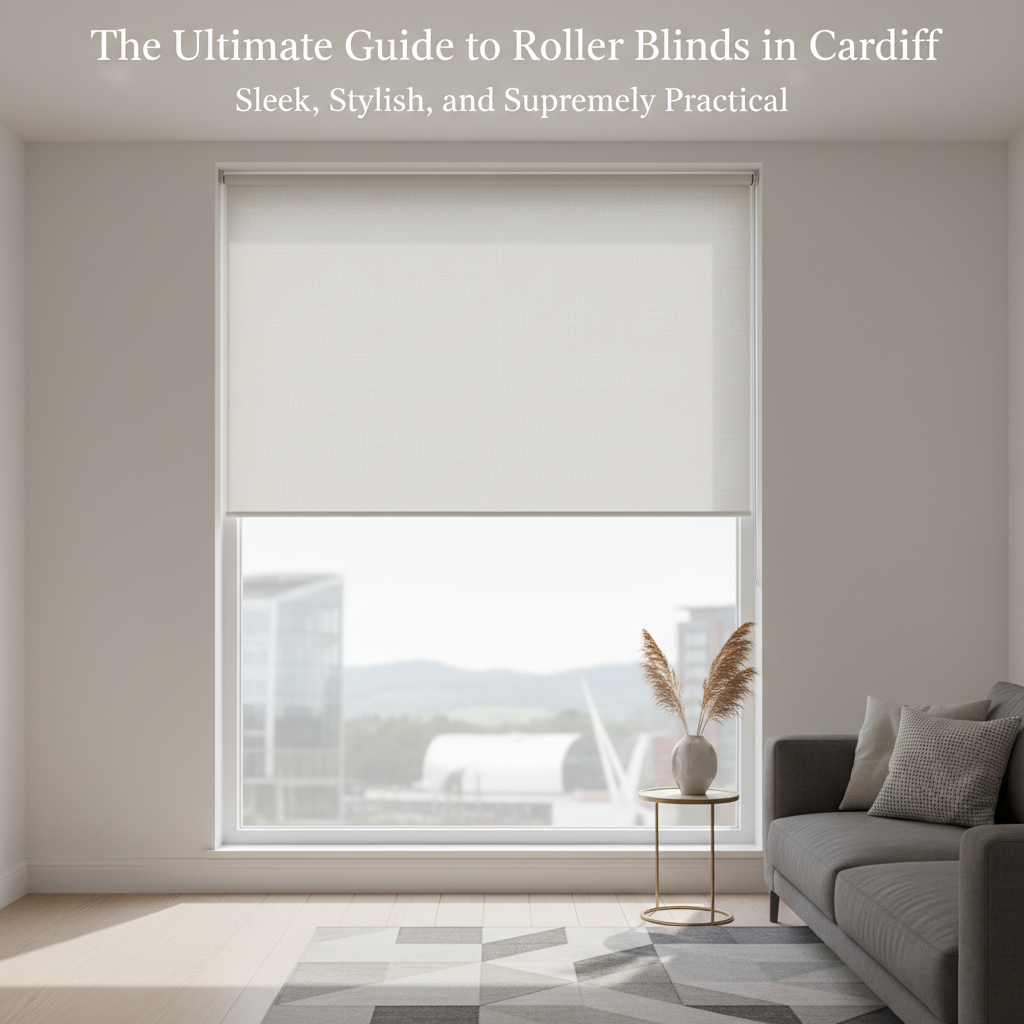
The Ultimate Guide to Roller Blinds in Cardiff: Sleek, Stylish, and Supremely Practical
For homeowners in Cardiff, finding a window treatment that balances contemporary style with everyday practicality is key. Just as pergolas in Cardiff extend your living space outdoors with style and functionality, roller blinds offer a streamlined and sophisticated solution for your windows that simply works.
Their core appeal lies in their elegant simplicity. A single piece of fabric neatly rolls away, offering an unobstructed view when open and a clean, uncluttered finish when closed. But beneath this simplicity lies a world of choice. With an extensive range of fabrics, colours, patterns, and performance features, roller blinds can be tailored to meet any functional need and complement any interior design scheme. This guide will explore everything Cardiff residents need to know about choosing, fitting, and maintaining the perfect roller blinds for their home, ensuring a smart, stylish, and long-lasting investment.
What Makes Roller Blinds a Smart Choice for Cardiff Homes?
Roller blinds consistently rank as one of the most popular window coverings for several compelling reasons. They offer a unique combination of adaptability, ease of use, and aesthetic appeal that resonates with the modern Cardiff lifestyle.
Unmatched Versatility in Design
The sheer variety of options is a roller blind's greatest strength. Whether you're aiming for a subtle, neutral backdrop or a bold statement piece, there's a fabric for you. Plain blinds in shades of white, grey, or beige offer a timeless, minimalist look, while vibrant colours and intricate patterns can introduce personality and flair. This adaptability means they can seamlessly integrate into any room, from a serene bedroom to a bustling kitchen. For those who prefer a more architectural and permanent window feature, shutter blinds also offer unparalleled style and functionality.
Superior Functionality for Modern Living
Beyond aesthetics, roller blinds are workhorses of functionality. For bedrooms and media rooms, blackout fabrics provide near-total darkness, essential for restful sleep during bright summer mornings or for creating a cinematic experience. In living areas, light-filtering fabrics soften harsh sunlight, reducing glare while maintaining a bright, airy atmosphere. For those concerned with energy efficiency, thermal fabrics offer an extra layer of insulation, helping to keep homes warmer in winter and cooler in summer.
Space-Saving and Low Maintenance
Unlike bulky curtains, roller blinds have a very small footprint. They fit neatly within or just outside the window recess, making them ideal for smaller rooms or for windows where space is at a premium. This creates a clean, uncluttered look that maximizes the sense of space. Furthermore, they are incredibly easy to care for. Most fabrics simply require a light dusting or a wipe with a damp cloth, making them a practical choice for busy households.
A Deep Dive into Roller Blind Types
Understanding the different types of roller blinds available is the first step to making an informed choice for your home. Each type offers specific benefits tailored to different needs and room functions.
Blackout Roller Blinds: For Ultimate Light Control
Blackout blinds are engineered with a special opaque lining that prevents any light from passing through the fabric. They are the definitive choice for rooms where complete darkness is desired.
- Ideal For: Bedrooms, nurseries, home cinemas, and any room where you need to eliminate external light for sleep or screen viewing.
- Key Benefit: Promotes better sleep by creating a dark, restful environment, regardless of the time of day.
Light Filtering (Dimout) Roller Blinds: For Soft, Natural Daylight
These blinds are designed to gently diffuse sunlight rather than block it completely. They cut out harsh glare while allowing a soft, ambient light to illuminate the room, all while maintaining privacy.
- Ideal For: Living rooms, kitchens, dining areas, and home offices where natural light is desirable but privacy is still needed.
- Key Benefit: Creates a bright and welcoming atmosphere without the discomfort of direct sunlight.
Thermal Roller Blinds: For Enhanced Energy Efficiency
Thermal roller blinds feature a reflective or specially coated backing that provides an insulating barrier. This helps to regulate the temperature of your room throughout the year.
- Ideal For: Rooms with large windows, older properties with single glazing, or any homeowner looking to reduce their energy bills.
- Key Benefit: Reduces heat loss in winter and blocks solar heat gain in summer, leading to a more comfortable home and lower energy consumption.
Day & Night Roller Blinds: The Best of Both Worlds
Also known as Zebra blinds, Day & Night blinds offer a clever combination of transparent and opaque fabric stripes. By adjusting the blind, you can align the stripes to achieve either a light-filtering effect or near-blackout privacy.
- Ideal For: Any room where you need flexible control over light and privacy throughout the day.
- Key Benefit: Combines the functionality of two different blind types into one stylish and innovative package.
Motorised Roller Blinds: For Ultimate Convenience
For the ultimate in modern convenience, motorised roller blinds can be operated with the touch of a button. They are perfect for hard-to-reach windows, for homes with multiple blinds, or simply for a touch of luxury. For businesses, commercial blinds also offer significant benefits in productivity, energy efficiency, and brand image.
- Ideal For: High windows (like in stairwells or extensions), smart homes, and anyone seeking effortless operation.
- Key Benefit: Provides easy, remote-controlled operation, which can be integrated with smart home systems for automated control.
Practical Guide to Fitting and Installation
A perfect fit is crucial for both the appearance and functionality of your roller blinds. The two primary fitting options are inside mount and outside mount, and the choice depends on your windows and desired outcome.
Inside Mount vs. Outside Mount: Which is Right for You?
Inside Mount (Recess Fit): The blind is fitted inside the window frame recess. This provides a very clean, tidy, and minimalist look, as the blind sits flush with the wall. It's the preferred choice for modern interiors and allows you to show off decorative window frames. However, it requires a sufficient recess depth and precise measurements. Note that small light gaps will be visible at the edges of the fabric.
Outside Mount (Face Fix): The blind is mounted on the wall or window frame, overlapping the window opening. This method is excellent for blocking more light, as the fabric covers the entire window, which is ideal for blackout blinds. It's also a practical solution for windows with a shallow recess, uneven frames (common in older Cardiff properties), or obstructions within the recess.
The Importance of Accurate Measurements
Accurate measuring is non-negotiable for a professional finish. Always use a metal tape measure for precision.
- For Inside Mount: Measure the width at the top, middle, and bottom of the recess, and use the smallest measurement. Measure the height (drop) on the left, middle, and right, and use the longest measurement. This accounts for any slight variations in the window frame.
- For Outside Mount: Decide how much you want the blind to overlap the recess. A standard recommendation is at least 7-10cm on each side (width) and above the recess (height) to ensure adequate coverage and light blocking. Measure this final desired width and drop.
Long-Term Maintenance and Care
One of the most appealing aspects of roller blinds is their low-maintenance nature. A little regular care will keep them looking and operating like new for years.
Regular Cleaning
For most fabrics, a weekly dusting with a feather duster or using the soft brush attachment on your vacuum cleaner is sufficient to prevent dust build-up. For vinyl or waterproof fabrics, a wipe-down with a damp cloth will remove any marks or moisture.
Dealing with Stains and Dampness
For minor stains, use a soft cloth with a small amount of mild soapy water and gently blot the area—never scrub. In humid environments like kitchens or bathrooms, ensure good ventilation to prevent mould. If any mildew spots appear, they can often be treated with a diluted solution of water and white vinegar, but always test on an inconspicuous area first.
Fixing Common Issues
If your blind becomes jammed or rolls unevenly, it's usually an easy fix. The most common cause is the fabric rolling crookedly. To fix this, simply unroll the blind completely until the tube is exposed, then carefully guide the fabric to roll back up straight and evenly. If a chain mechanism feels stiff, check for any debris and consider a small spray of silicone lubricant.
Conclusion: The Smart, Stylish Solution for Your Cardiff Home
Roller blinds offer an exceptional blend of modern design, functional versatility, and value for money, making them an ideal choice for the discerning Cardiff homeowner. Their ability to be customized for any need—from complete darkness with blackout fabrics to soft, diffused light for living areas—ensures there is a perfect solution for every room in your house.
With their space-saving design, ease of maintenance, and potential for energy savings, roller blinds are more than just a window covering; they are a practical and stylish upgrade that enhances your living environment. By taking the time to choose the right fabric, ensure accurate measurements, and opt for a professional installation, you are investing in years of comfort, convenience, and timeless style.
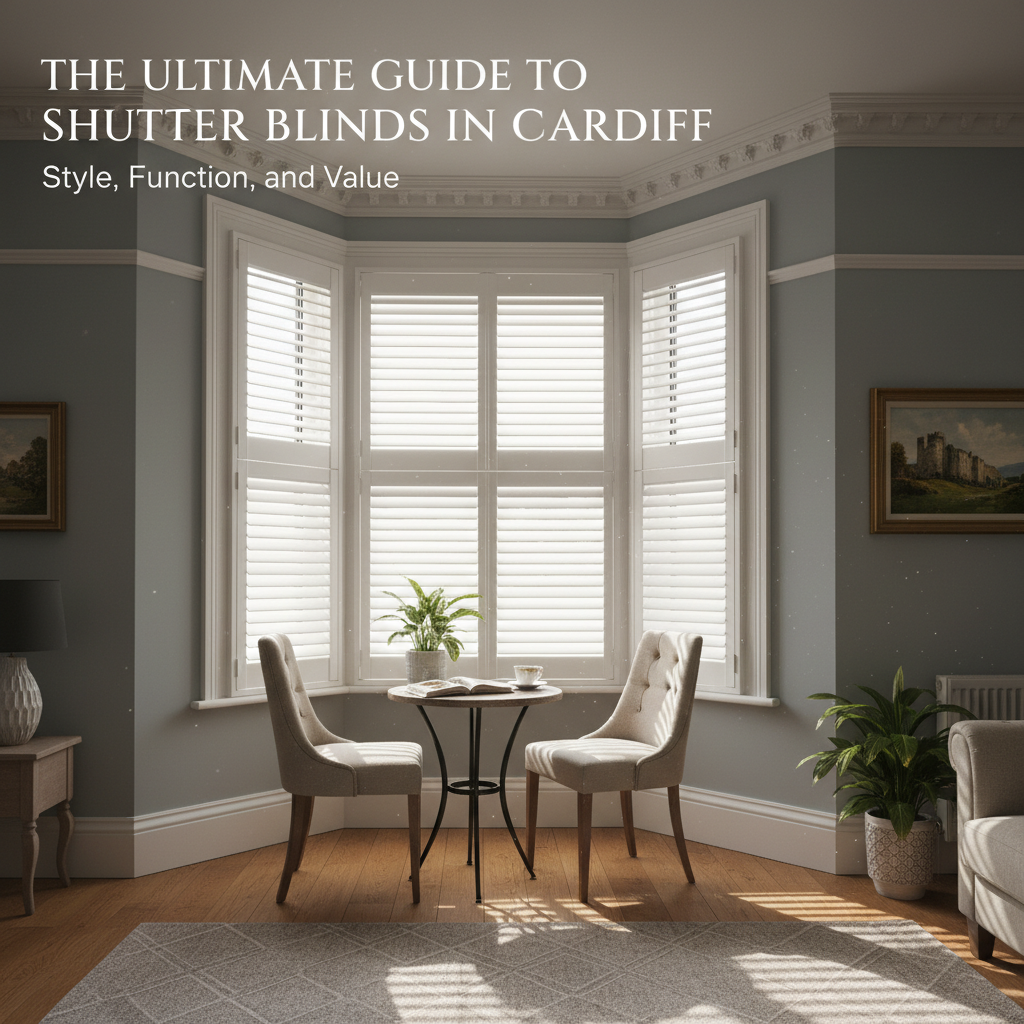
The Ultimate Guide to Shutter Blinds in Cardiff: Style, Function, and Value
Cardiff, a city celebrated for its unique blend of historic architecture and modern living, boasts homes with distinct character. From the elegant Victorian and Edwardian terraces of Pontcanna and Roath to the contemporary apartments in the Bay, windows are a defining feature. For homeowners seeking a window treatment that honours this architectural heritage while delivering unparalleled modern functionality, shutter blinds stand in a class of their own. More than just a covering, they are a timeless architectural addition, a bespoke piece of furniture for your windows that offers a perfect synthesis of style, privacy, and practicality.
This definitive guide is for Cardiff residents looking to elevate their homes. We will journey through the distinct styles of shutters, from the classic full-height plantation to the charming café design, and explore how each one can be tailored to your home's specific needs. We will also delve into the crucial decisions around materials and finishes, uncover the significant long-term benefits of insulation and property value, and provide a neighbourhood-by-neighbourhood guide to choosing the perfect shutters for your corner of the city.
Why Shutters Are the Premier Choice for Cardiff Homes
In a market filled with window dressing options, shutters have enjoyed enduring popularity in Cardiff for compelling reasons. They uniquely address the challenges and opportunities presented by the city's diverse housing stock, offering a solution that is both beautiful and brilliantly practical.
Timeless Aesthetics Meet Modern Versatility
Shutters possess a classic, architectural quality that curtains and fabric blinds cannot replicate. Their clean, structured lines bring a sense of order and sophistication to any room, complementing both period features and minimalist modern interiors. This versatility is their superpower; they can look perfectly at home framing a grand sash window in a Cyncoed villa or adding a sleek finish to a new-build in Lisvane. With customisable colours and finishes, they integrate seamlessly into any décor scheme, acting as a unifying design element.
Unmatched Control Over Light and Privacy
Living in a vibrant city often means homes are in close proximity. Shutters offer a level of nuanced control over light and privacy that is simply unmatched. The adjustable louvres are the key. You can tilt them to angle bright morning sunlight up towards the ceiling, illuminating the room without direct glare. You can keep them halfway closed for perfect privacy from a busy street while still enjoying a soft, ambient glow. This granular control allows you to curate the atmosphere in your home throughout the day, making your space more comfortable and usable.
Enhancing Energy Efficiency in Period and Modern Properties
Cardiff’s weather can be unpredictable, and energy costs are an ever-present concern. Shutters provide a substantial layer of insulation. When closed, they trap a pocket of air against the windowpane, significantly reducing heat loss during the colder months. This is especially beneficial in Cardiff's older properties, which are often prone to draughts. In the summer, they work in reverse, blocking the harshest solar heat gain and helping to keep your home comfortably cool without over-relying on fans or air conditioning. This leads to tangible savings on your energy bills year-round. These energy efficiency benefits are also crucial for businesses, where commercial blinds play a vital role in managing operational costs and enhancing the workspace.
A Durable, Low-Maintenance Investment in Your Property
Unlike fabric blinds that can fade or curtains that accumulate dust and odours, shutters are a hard-wearing, long-lasting solution. Constructed from robust materials like hardwood or high-grade MDF, they are built to withstand the rigours of daily life. They are incredibly easy to maintain—a simple wipe with a soft cloth is all that's needed to keep them looking pristine. This durability makes them not just a purchase, but a long-term investment that adds tangible value and desirability to your property.
An In-Depth Exploration of Shutter Styles
The beauty of shutters lies in their adaptability. Different styles cater to different window types, aesthetic preferences, and functional requirements. Understanding these variations is the first step to finding the perfect match for your Cardiff home.
Classic Plantation Shutters: Full-Height Elegance
This is the most iconic and popular style. Plantation shutters cover the entire height of the window from top to bottom, creating a clean, cohesive, and commanding look. They typically feature a mid-rail, which not only adds structural strength but also allows you to operate the louvres on the top and bottom sections independently.
- Appearance: Strong, architectural, and uniform. Provides a neat and tidy finish that enhances the sense of height in a room.
- Best For: Tall sash windows in Victorian terraces, large modern windows, bedrooms requiring near-complete privacy, and French or patio doors.
- In Cardiff: They are a perfect fit for the grand proportions of homes in areas like Llandaff and Penylan, bringing a sense of stately elegance.
Café-Style Shutters: Continental Charm and Bright Interiors
Inspired by Parisian cafés, this charming style covers only the bottom half of the window, leaving the top section completely open. This design is a masterclass in balancing privacy with natural light.
- Appearance: Relaxed, chic, and welcoming. It creates a light, airy feel and allows architectural details in the upper part of the window to remain visible.
- Best For: Ground-floor living rooms, kitchens, and dining rooms that face the street or pavement.
- In Cardiff: An immensely popular choice in neighbourhoods like Pontcanna and Canton, where terraced houses are close to the street. They provide essential privacy at eye level without sacrificing the beautiful light Cardiff has to offer.
Tier-on-Tier Shutters: The Ultimate in Flexibility
Tier-on-tier shutters offer the most versatile solution. They consist of two separate shutter panels, one on top of the other, each hinged independently. This means you can swing the entire top panel open while keeping the bottom panel closed, and vice-versa.
- Appearance: When fully closed, they have the appearance of classic plantation shutters. Their magic lies in their flexible configurations.
- Best For: Tall, multi-panel sash windows, bedrooms, and any room where you want complete control over every possible light and privacy scenario.
- In Cardiff: They are the perfect functional upgrade for the traditional sash windows found throughout Roath and Cathays, offering a blend of full privacy, café-style openness, and everything in between.
Solid Panel Shutters: Traditional Grandeur and Total Blackout
Unlike louvred designs, solid panel shutters are crafted from solid wood panels that fold back, much like traditional Victorian shutters. They offer a more historic, classic aesthetic and provide superior light-blocking capabilities.
- Appearance: Timeless, traditional, and substantial. They add a sense of history and grandeur to a room.
- Best For: Bedrooms, nurseries, home cinemas, or any room where achieving near-total darkness is a priority.
- In Cardiff: They are an excellent choice for homeowners looking to restore or enhance the period authenticity of Georgian or Victorian properties, adding character and providing exceptional insulation.
Choosing the Perfect Material and Finish
The material your shutters are made from will impact their look, longevity, and suitability for different rooms in your home.
Natural Hardwood Shutters: The Premium, Authentic Choice
Crafted from timbers like Paulownia or Basswood, hardwood shutters are the pinnacle of quality. They are lightweight yet strong, and their natural grain adds a unique warmth and texture. They can be stained to showcase the wood's natural beauty or painted in any colour for a bespoke finish.
MDF Shutters: Durable, Flawless, and Cost-Effective
Medium-Density Fibreboard (MDF) is an engineered wood product that offers exceptional durability. Coated in a tough, smooth polymer layer, MDF shutters are resistant to chipping, warping, and fading. They provide the flawless, painted look of wood at a more accessible price point, making them the most popular choice for homeowners.
Waterproof Shutters: Essential for Kitchens and Bathrooms
For rooms with high humidity and moisture, such as bathrooms, kitchens, and utility rooms, specially designed waterproof shutters are the only sensible option. Made from a high-grade ABS plastic (the same material used for kettles), they are 100% waterproof and will never warp, peel, or be damaged by steam or splashes. They are also incredibly easy to clean.
Finishes and Colours: Defining Your Style
The finish is where you can truly personalize your shutters. Classic whites and soft off-whites remain the most popular choices as they create a fresh, timeless look that maximises the sense of light and space. However, contemporary grey tones are increasingly popular for modern interiors, and bold, dark colours can be used to create a dramatic, sophisticated statement piece.
The Practical Benefits Beyond the Visuals
The advantages of installing shutters extend far beyond their stunning appearance. They are a functional upgrade that improves your quality of life and adds measurable value to your home.
A Smart Investment: How Shutters Increase Property Value
Estate agents agree that high-quality shutters are a highly desirable feature for potential buyers. Because they are custom-made and fitted to the property, they are considered a permanent fixture that enhances the home's "kerb appeal" and interior finish. This can not only make your property more attractive on the market but can also lead to a higher valuation. Similarly, a thoughtfully designed and installed pergola can transform outdoor spaces, significantly enhancing curb appeal and overall property value.
Acoustic Insulation: Creating a Quieter Home Environment
The solid construction of shutters provides an effective barrier against external noise. For homes on busy Cardiff roads or near train lines, this can make a significant difference, reducing traffic noise and creating a more peaceful and tranquil indoor environment.
Conclusion: The Perfect Choice for Your Cardiff Home
Choosing the right window coverings is a decision that impacts the daily comfort, style, and efficiency of your home. For Cardiff residents, shutter blinds offer a solution that is perfectly attuned to the city's unique character. They provide a masterful blend of timeless elegance and modern functionality, honouring the architectural beauty of period properties while fitting seamlessly into contemporary spaces. For a sleek, minimalist, and highly versatile window treatment, roller blinds are an excellent alternative, offering a wide range of fabric choices and light control options.
By investing in professionally measured and installed shutters, you are not just decorating your home; you are enhancing its comfort, boosting its energy efficiency, and adding lasting, tangible value. They are a sophisticated, practical, and beautiful addition that you will appreciate for many years to come.

The Ultimate Guide to Commercial Blinds for Businesses
In any commercial space, from a bustling corporate office to a serene healthcare clinic, window blinds play a far more significant role than many realize. They are not merely decorative additions; they are functional powerhouses that shape the work environment, enhance employee well-being, boost productivity, and can lead to substantial energy savings. Selecting the right blinds for your business is a crucial strategic decision that balances practicality, aesthetics, security, and long-term financial value.
This comprehensive guide delves into every critical aspect of commercial blinds. We will explore why they are an indispensable asset in modern workspaces, provide a detailed comparison of the most effective styles, walk through the essential considerations before installation, offer a complete maintenance plan, and uncover the significant cost-saving and sustainability benefits that the right window treatments can deliver.
The Strategic Importance of Commercial Blinds in Modern Workspaces
Effective window treatments are a cornerstone of a well-designed commercial environment. Their impact extends beyond simple light control, influencing everything from employee morale and brand perception to the company's bottom line.
Enhancing Productivity and Well-being Through Optimal Light Control
Natural light is a powerful tool in the workplace, but when uncontrolled, it becomes a liability. Harsh glare from large, uncovered windows is a primary cause of digital eye strain, persistent headaches, and a notable decrease in employee focus. Conversely, a dim, artificially lit space can feel uninspiring, leading to lethargy and reduced motivation. Commercial blinds offer the perfect solution by granting precise control over the quantity and quality of sunlight entering a room.
With highly adjustable options like Vertical or Venetian blinds, employees can adapt their immediate environment throughout the day. This simple ability to mitigate glare while still enjoying the benefits of natural daylight fosters a more comfortable and visually ergonomic setting, directly supporting concentration and sustained productivity. Workplaces that prioritize effective light management often report higher employee morale and reduced absenteeism.
Balancing Essential Privacy with a Welcoming Aesthetic
Privacy is a non-negotiable requirement in nearly every business setting—from corporate offices and medical clinics to ground-floor retail storefronts and legal practices. Windows that face busy streets or adjacent buildings can leave employees, clients, and sensitive information feeling exposed. Blinds provide an immediate and effective sense of security by shielding the interior from unwanted external visibility.
However, modern blinds achieve this without sacrificing aesthetics or creating a fortress-like atmosphere. Beyond pure function, they are a key design element. Sleek Roller blinds can create a clean, minimalist look that complements contemporary architecture, while the rich tones of wood or faux-wood Venetian blinds can introduce a sense of warmth and traditional sophistication. The vast array of available materials and designs ensures that businesses no longer have to compromise between functionality and style.
Shaping a Professional Brand Image with Cohesive Design
In the world of business, first impressions are critical, and the physical design of your workspace speaks volumes before a single word is exchanged. Clients, partners, and potential employees form an unconscious opinion about your company based on their initial experience of your space. A well-lit, meticulously maintained office with carefully selected blinds communicates professionalism, precision, and attention to detail. In contrast, dated, damaged, or poorly fitted blinds can project an image of neglect.
Blinds can be strategically chosen to reflect and reinforce your brand identity. Neutral tones like grey, white, or beige may suit a corporate law firm, while bold colors or textured fabrics could align perfectly with a dynamic creative agency. By treating blinds as an integral part of your interior design and branding strategy, you elevate your business's image and create a consistent, welcoming, and professional atmosphere. For a more traditional or high-end commercial aesthetic, consider the architectural elegance and superior light control offered by shutter blinds.
Improving Acoustic Comfort and Reducing Distractions
An often-overlooked benefit of window blinds, especially those made from fabric, is their ability to absorb sound. Hard surfaces like glass are highly reflective of sound waves, which can contribute to echo and noise pollution within an office, particularly in open-plan layouts. Blinds, especially cellular or fabric-based styles like Roman or Roller blinds, add a soft surface that helps to dampen sound, reducing ambient noise and creating a quieter, more focused working environment.
An In-Depth Guide to Commercial Blind Styles
Choosing the right style of blind is about finding the perfect intersection of form and function for your specific needs. The optimal choice depends on factors like window size and shape, the nature of your business, daily operational requirements, and the brand image you wish to project.
Vertical Blinds: The Classic, Cost-Effective Solution for Large Expanses
Vertical blinds are a timeless and practical choice for commercial buildings, especially those with expansive floor-to-ceiling windows, patio doors, or sliding glass walls. Their long, vertical slats can be tilted 180 degrees for precise light control and can be drawn completely to one side to provide an unobstructed view.
- Pros: Excellent for very wide windows, highly adjustable light control, cost-effective, durable, and low-maintenance materials (PVC and vinyl) are easy to clean.
- Cons: Can have a more traditional look which may not suit all modern interiors; slats can be noisy in windy conditions if a window is open.
- Best For: Corporate offices, boardrooms, conference centers, banks, and spaces with large glass facades.
Venetian Blinds: Unmatched Versatility and Timeless Appeal
Known for their iconic horizontal slats, Venetian blinds offer superior, granular control over both light and privacy. By tilting the slats, you can direct daylight exactly where you need it—up towards the ceiling to illuminate a room without causing direct glare, or down to block the sun's rays.
- Pros: Excellent and precise light direction control, timeless design, available in a wide range of durable materials.
- Cons: Can be more time-consuming to clean than vertical blinds due to the horizontal surface of the slats collecting dust.
- Best For: Individual offices, healthcare clinics, reception areas, and any space where precise light adjustment is a daily requirement.
- Material Options: Aluminum is lightweight, durable, and moisture-resistant. Real wood adds warmth and a premium feel. Faux-wood offers the look of wood with enhanced durability and moisture resistance, perfect for kitchens or restrooms.
Roller Blinds: Sleek, Modern, and Exceptionally Versatile
For a clean, minimalist, and contemporary aesthetic, roller blinds are an outstanding choice. Consisting of a single piece of fabric that rolls neatly onto a casing, they offer an uncluttered, streamlined look that maximizes the view when open.
- Pros: Minimalist and modern appearance, space-saving design, huge variety of fabrics (including blackout, light-filtering, and screen fabrics), easy to operate and can be motorized.
- Cons: Offer less nuanced light control than Venetian or Vertical blinds (they are either up, down, or somewhere in between).
- Best For: Modern offices, retail storefronts, creative studios, training rooms, and anywhere a clean, sophisticated look is desired. The availability of blackout fabrics makes them essential for presentation and media rooms.
Perfect Fit Blinds: The Ultimate No-Drill Solution
Perfect Fit is an innovative system that allows blinds to be fitted directly onto most uPVC windows and doors without any drilling or screwing. The blinds are housed in their own frame, which clips neatly into brackets that slide between the glass and the rubber glazing bead. This creates a seamless, integrated look.
- Pros: No drilling required (ideal for rented properties), enhanced insulation and light control as there are no gaps at the side, child-safe (no loose cords), available in Roller, Venetian, and Cellular styles.
- Cons: Only suitable for uPVC windows and doors with a rubber seal.
- Best For: Modern offices with uPVC windows, internal glass partitions, glazed doors, and conservatories.
Manual vs. Motorized Systems: Embracing Efficiency and Convenience
One of the most significant decisions in modern window treatments is whether to opt for manual or motorized operation. While manual blinds are a proven and cost-effective choice, motorization offers a leap forward in convenience, safety, and efficiency.
The Case for Manual Blinds
Manual blinds, operated by a cord, wand, or chain, are straightforward, reliable, and generally have a lower upfront cost. They are an excellent option for smaller offices, easily accessible windows, and businesses working within a tighter budget.
The Transformative Power of Motorized Blinds
Motorized blinds are rapidly becoming the standard in forward-thinking commercial spaces. Operated via a handheld remote, a wall-mounted switch, a smartphone app, or even voice commands, they offer a level of control and convenience that manual systems cannot match.
- Unmatched Convenience: Adjust dozens of blinds simultaneously with a single button press. This is invaluable for large open-plan offices, conference centers, or buildings with hard-to-reach windows.
- Enhanced Energy Efficiency: Motorization unlocks the full potential of smart building integration. Blinds can be automated to adjust based on the time of day, sun position, or internal temperature, creating a dynamic system that passively regulates the building's climate and significantly reduces HVAC costs.
- Increased Safety and Security: The elimination of manual cords makes motorized blinds inherently safer, a key consideration for spaces like schools or healthcare facilities. They can also be programmed to adjust periodically when the building is empty, giving the impression of occupancy.
- Longevity of the Product: The smooth, controlled operation of a motor reduces the wear and tear associated with manual handling, extending the lifespan of the blinds.
The A-Z of a Flawless Installation Process
A successful window blind project hinges on meticulous planning and professional execution. Rushing this stage can lead to costly mistakes and a subpar final result.
Step 1: The Critical Importance of Accurate Measurements
Precise measurement is the absolute foundation of a successful blind installation. Commercial windows often come in non-standard sizes and configurations that demand a perfect fit. An error of just a few millimeters can lead to unsightly light gaps, compromised privacy, or blinds that do not function smoothly. While DIY measurement is possible, professional measurement is highly recommended to guarantee accuracy, especially for large or complex projects.
Step 2: Matching Blinds to Architectural Style and Window Type
The best blind for your business is one that works in harmony with your space. Consider the building's overall aesthetic. A modern, glass-fronted building is a perfect match for minimalist Roller or Perfect Fit blinds. A historic building might be better complemented by the warmth of wooden Venetian blinds. Floor-to-ceiling windows almost necessitate motorization for practical use, while a series of smaller, individual office windows are well-suited for classic Venetian blinds.
Step 3: Comprehensive Budgeting: Materials, Customization, and Labor
A clear budget is essential. The final cost will be influenced by several key factors:
- Materials: Durable and functional options like aluminum and PVC are typically the most budget-friendly. Premium materials like natural wood, specialty performance fabrics (e.g., fire-retardant, anti-microbial), and custom-printed designs represent a larger investment.
- Customization & Size: Non-standard sizes, unique shapes (like for angled windows), and custom finishes will naturally increase the cost compared to off-the-shelf options.
- Motorization: Adding motors and control systems is an additional upfront cost, but it's crucial to factor in the long-term ROI from energy savings and convenience.
- Professional Installation: While it is an added expense, professional installation is an investment in quality. It guarantees that the blinds are fitted securely, function correctly, and are compliant with safety standards, preventing costly issues down the line.
Step 4: Preparing the Workspace for an Efficient Installation
To ensure the installation process is smooth and swift, prepare the area in advance. This typically involves clearing furniture and equipment away from the windows, ensuring the window frames and sills are clean and free of debris, and providing clear, safe access for the installation team, particularly for high or difficult-to-reach windows.
A Proactive Maintenance Plan for Lasting Value and Performance
To protect your investment and ensure your blinds continue to look and function professionally for years to come, a simple but consistent maintenance routine is essential.
Material-Specific Cleaning Guide
- Fabric Blinds (Roller, Vertical, Roman): Use a vacuum with a soft brush attachment for regular light dusting to prevent buildup. For minor stains, spot-clean with a cloth dampened with water and a mild detergent. Always test on an inconspicuous area first.
- Wood Blinds: Dust regularly with a soft microfiber cloth or a feather duster. Never saturate wood with water. For tougher grime, use a cleaner specifically designed for wood.
- Faux-Wood & PVC/Vinyl Blinds: These materials are highly durable and easy to clean. Simply wipe them down with a damp cloth. A mild, all-purpose cleaner can be used for more stubborn marks.
- Metal (Aluminum) Blinds: Wipe with a damp cloth or sponge. These are very resilient and resistant to most cleaning agents.
Preventing Premature Wear and Tear in High-Use Environments
In a busy commercial environment, blinds are often adjusted multiple times a day. To prevent premature wear:
- Train Staff: Ensure employees know how to operate the blinds correctly, avoiding excessive force on cords, chains, or wands.
- Encourage Gentle Operation: Smooth, deliberate adjustments are always better than sharp, jerky movements.
- Regular Inspections: Periodically check mechanisms for signs of strain or misalignment. Addressing small issues early can prevent major repairs later. Motorized blinds inherently solve this issue by ensuring a perfectly smooth operation every time.
The Tangible Financial and Sustainability Benefits of Smart Blinds
Beyond aesthetics and comfort, the right commercial blinds are a strategic tool for improving your company's financial performance and achieving its sustainability goals.
Dramatically Reduce Utility Bills with Energy-Efficient Blinds
Windows are a primary point of thermal transfer in any building. They are responsible for significant heat loss in the winter and unwanted solar heat gain in the summer. This forces your HVAC (Heating, Ventilation, and Air Conditioning) system to work harder, consuming more energy and driving up utility bills. High-quality blinds act as a crucial layer of insulation.
- In Summer: By reflecting solar radiation, blinds can significantly reduce the amount of heat entering the building, lessening the load on your air conditioning system. Light-colored blinds are particularly effective at this.
- In Winter: By creating a pocket of trapped air between the blind and the glass, they reduce heat loss, helping to keep your workspace warmer and lowering heating costs. Thermal and cellular (honeycomb) blinds are specifically engineered for maximum insulation.
Supporting Eco-Friendly Practices and Corporate Responsibility
Sustainability is no longer a niche concern; it is a core component of modern corporate responsibility. Commercial blinds contribute to your green initiatives in several ways:
- Reduced Energy Consumption: Lowering your HVAC and artificial lighting usage directly reduces your company's carbon footprint.
- Sustainable Materials: Many manufacturers now offer blinds made from recycled, recyclable, or sustainably sourced materials like bamboo or FSC-certified wood.
- LEED and BREEAM Certification: For businesses pursuing green building certifications, energy-efficient window treatments can contribute valuable points towards achieving these prestigious standards.
Conclusion: A Strategic Investment in Your Business's Future
Commercial blinds are far more than simple window coverings—they are a dynamic and strategic investment in your business's productivity, brand identity, and financial health. By meticulously controlling light and privacy, enhancing your workspace's design, improving acoustic comfort, and delivering significant energy savings, the right blinds provide tangible, lasting value. For businesses looking to extend their functional space outdoors, commercial pergolas offer an excellent solution to create inviting and productive outdoor areas.
The journey from selection to installation requires careful consideration of style, material, operation, and budget. By choosing wisely and committing to simple, regular maintenance, you will create a professional, efficient, and welcoming environment that benefits your employees, impresses your clients, and strengthens your bottom line for years to come.